Get Full Government Meeting Transcripts, Videos, & Alerts Forever!
Get email alerts on the Elections topic
No spam. Unsubscribe anytime.
Hungary’s Viktor Orban frames upcoming election as a fight with Brussels, praises U.S. ties
Summary
Prime Minister Viktor Orban used a Budapest ceremony welcoming the U.S. vice president to cast the national election as a choice between Hungarian sovereignty and EU influence, criticized Brussels’ policies and said sanctions cost Hungary “1 million euro a day.”
Prime Minister Viktor Orban told a Budapest crowd that Hungarian and American freedom struggles bind the two nations, and he cast Hungary’s imminent election as a choice between national sovereignty and outside influence. “We suffer 1 million euro a day in sanctions and penalties,” Orban said, blaming European Union measures and what he described as Brussels’ hostility toward Hungary.
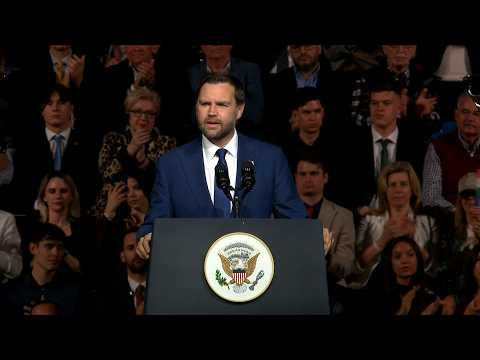
Orban opened by welcoming the vice president of the United States and praising the two countries’ shared history, invoking U.S. leaders including Ronald Reagan and George H.W. Bush for their roles in Europe’s post‑Cold War transition. He said the “golden era of Hungarian‑American relations” is rooted in a civilizational bond rather than transactional politics and that those ties underpin new cooperation on energy, defense and trade.
Turning to Europe, Orban sharply criticized what he called “progressive forces” in Brussels, accusing EU institutions of pursuing policies—on migration, “gender ideology” and sanctions—that he said harm Hungary and all of Europe. He warned that continuing sanctions and attacks on energy infrastructure would drive energy prices higher and deplete reserves, arguing those policies risk both economic and social stability.
Orban also addressed alleged foreign interference in elections, saying that interventions have been observed “here and elsewhere” and defending investigations into such activity as necessary to protect Hungary’s sovereignty.
As voting approached, Orban framed the ballot as existential: he urged supporters to choose the path of “freedom” and to reject, in his words, a future that would subordinate Hungary’s independence to outside decision‑makers. He closed by blessing Hungary and the United States and thanking the crowd for their support.
The speech drew sustained applause and chants; music and additional ceremonial remarks followed.