Get Full Government Meeting Transcripts, Videos, & Alerts Forever!
City staff outline Downtown Development Authority to finance long‑term downtown reinvestment; council presses on governance, parking and equity
Summary
City staff described how a Downtown Development Authority (DDA) could use tax-increment financing (TIF), an optional mill levy and potentially parking revenue to fund district-scale projects; council members asked about governance, effects on overlapping taxing entities, voter questions and climate/equity considerations.
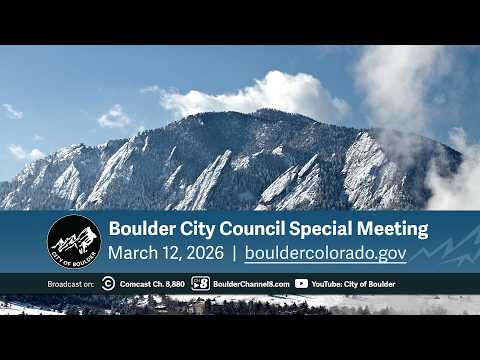
City staff on Thursday presented initial analysis of a potential Downtown Development Authority (DDA) that would capture growth in property and sales tax within a defined boundary and use that revenue to finance long-term, district-scale investments.
"At its core, a DDA is an economic development tool designed specifically for central business districts," Economic Development Strategy Manager Reegan Brown told the Boulder City Council during a study-session presentation. Brown described tax‑increment financing (TIF) as the mechanism by which a DDA would capture new growth in property and sales tax within the district and reinvest that increment back into the downtown area.
Staff outlined three principal revenue sources a DDA could use: the property/sales‑tax TIF, a voter‑approved mill levy for stable annual funding, and other revenues—most notably downtown parking assets. Brown said a conservative scenario with 1% annual growth would produce roughly $300,000…
Already have an account? Log in
Subscribe to keep reading
Unlock the rest of this article — and every article on Citizen Portal.
- Unlimited articles
- AI-powered breakdowns of topics, speakers, decisions, and budgets
- Instant alerts when your location has a new meeting
- Follow topics and more locations
- 1,000 AI Insights / month, plus AI Chat