Get Full Government Meeting Transcripts, Videos, & Alerts Forever!
Get email alerts on the Parks Recreation topic
No spam. Unsubscribe anytime.
Northland Arboretum director seeks regional designation, outlines new recreation and revenue projects
Summary
The arboretum's executive director briefed council on a recently filed regional designation application (126‑page submission), infrastructure projects (accessible gardens, bike skills park, nature playcape) and a strategic shift toward recreation to support conservation and expand revenue streams.
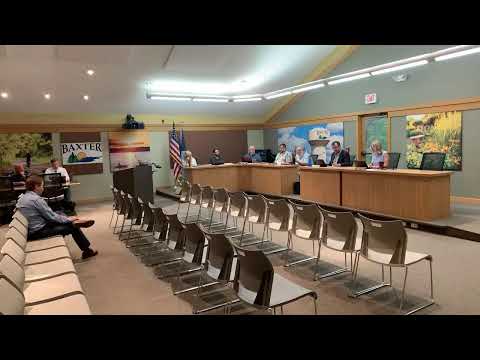
The council heard a presentation from the Northland Arboretum executive director, who described a strategic shift toward outdoor recreation and a recently submitted regional designation application intended to make the arboretum eligible for certain state infrastructure grants.
Director’s priorities and designation application: the director said a 126‑page regional designation application was submitted to the state after two years of planning; regional designation would make the arboretum eligible for a portion of legacy infrastructure funding, which supports capital projects (not operations). The director described a master‑planning process and community survey efforts that informed the application and emphasized the need to pair conservation goals with financially sustainable, recreation‑oriented amenities.
Projects and programs: the director reviewed recent projects including accessible raised garden beds and the G101 produce‑giving program (about 2,500 pounds donated annually to local food shelves). He described a new ADA‑accessible nature playcape developed with volunteer master gardeners, an upcoming non‑motorized bicycle skills park (built on a reclaimed landfill area) with a tentative July 12 opening for a top track, and concept planning for forest ice‑skating trails and expanded disc‑golf facilities to attract regional tournaments.
Funding and partnerships: the director said some project engineering and design was donated by volunteer professionals, and that partnerships (including a three‑year contract for inventory management tooling) and grant opportunities would be essential to build infrastructure. He also underscored operational limits of legacy infrastructure grants, which fund capital but not ongoing operations, and presented the arboretum’s strategy to diversify revenue through recreation and events to sustain conservation work.
Outcome: council members thanked the presenter and indicated support; no council action or city funding decision was recorded on the transcript. The presentation served as an informational briefing and recognition of the arboretum’s community role and planned outreach.