Get Full Government Meeting Transcripts, Videos, & Alerts Forever!
Get email alerts on the Parks And Recreation topic
No spam. Unsubscribe anytime.
Corona adopts park sponsorship and naming-rights policy; public raises concerns about valuations and commercialization
Summary
The City of Corona approved a sponsorship program and edits to its naming-rights policy for the planned City Park, establishing tiers for naming rights, corporate and community sponsorships and in-kind donations while requiring market-value assessments and public notice for deals. Residents and a former commissioner criticized visitation estimates and urged limits on commercial branding.
The Corona City Council on March 18 approved a City Park sponsorship program and non-substantive edits to the city's property naming-rights policy, a framework staff said will help attract private contributions to offset capital and operational costs for the new park.
Community Services Director Donna Finch presented a tiered approach: "crown" naming rights for premier amenities (aquatic center, banquet hall, gymnasium, community event space) and a "diamond" tier for important, lower-cost facilities (conference/classroom/fitness spaces). Staff proposed a maximum 15-year naming term tied to asset lifespans, documentation of market valuation for each naming opportunity, public notices before agreements, and a non-refundable contribution policy.
Finch said the city would seek a mix of cash sponsorships and in-kind donations (paving materials, irrigation, pool services) and that staff would document market-value assessments for any naming-rights proposal. Outreach to local employers, regional companies, and residents was described as the next step.
Several residents and a former commissioner questioned staff estimates used in the presentation. One commenter said the visit and use numbers presented (which staff described as "maximum reach" estimates) "are literally being pulled out of thin air," warning the council not to rely on unvetted forecasts when pitching naming rights to corporations.
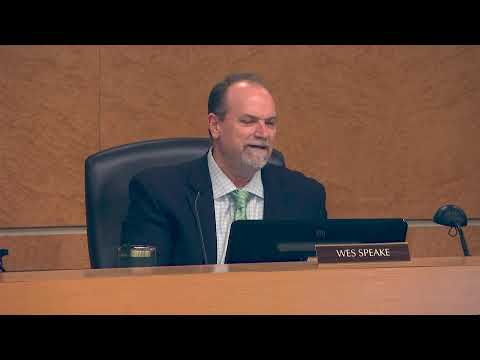
Council members pressed staff to ensure documented valuation and asked for clear council oversight and public notice before any naming agreement. Vice Mayor Speak emphasized the council would retain final approval and that staff would return with market-value documentation attached to each proposed agreement.
The council voted unanimously to approve the sponsorship program and the clarified naming-rights policy language. The policy keeps explicit prohibitions on logos and advertising on facilities and preserves council discretion to terminate or refuse agreements for reputational or legal reasons.
What happens next: Staff will begin outreach and prepare marketing materials, prioritize securing in-kind donations that offset early construction costs, and attach market-value assessments to any naming agreements brought back to council for approval. The city estimated outreach and fundraising would continue through the multi-year construction program leading to a targeted opening in 2029.
Funding and limits: Staff said the program aims for sponsors to fund up to 50% of an amenity's total cost; however, the council and public asked staff to document valuations and disclose any assumptions about visits or usage in marketing materials and agreements.