Get Full Government Meeting Transcripts, Videos, & Alerts Forever!
Get email alerts on the Governance Meetings topic
No spam. Unsubscribe anytime.
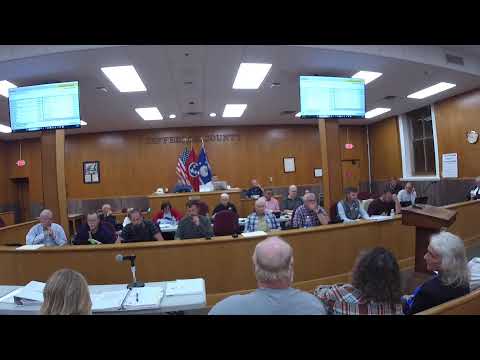
Jefferson County Commission adopts monthly meeting schedule after split debate
Summary
After lengthy discussion, the commission approved a new meeting schedule: 12 voting meetings and accompanying work sessions per year. The decision followed competing proposals for fewer voting meetings and more work sessions and drew debate over preparation time and public access.
Commissioners debated how often to meet for months before voting to adopt a new schedule of 12 voting meetings and 12 work sessions per year.
Chair James Carmichael proposed returning to a schedule with paired work sessions and voting meetings so topics would be vetted before votes. Commissioners split on whether to reduce the number of voting meetings (for example, to eight per year) and increase work sessions. Supporters of monthly voting meetings argued they ensure the commission can act each month on business from departments, schools and nonprofits; opponents said more frequent meetings would be difficult for some commissioners and strain preparation time.
After several proposed motions and an earlier failed attempt to set a 12/12 schedule, the commission ultimately voted in favor of a 12-meeting annual schedule with work sessions preceding the voting meetings. The chair said the new schedule would be printed and distributed to commissioners.
Commission discussion also focused on practical matters: the packet distribution timeline for work sessions and the need for work sessions to be substantive 'working' meetings rather than brief previews. One commissioner urged that packets should be available Friday before a work session to give members time to read and prepare; others expressed concern that late packet delivery creates a need to postpone items.
What happens next: staff will publish the calendar and clarify packet-distribution timelines and the pairing of work sessions and voting meetings.