Get Full Government Meeting Transcripts, Videos, & Alerts Forever!
Get email alerts on the Behavioral Health topic
No spam. Unsubscribe anytime.
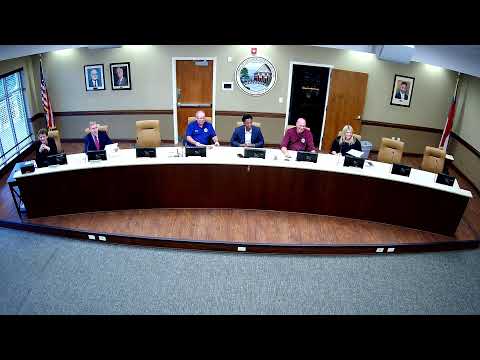
Peer-run recovery center pitches mobile outreach, respite house to Fletcher council
Summary
Love and Respect Community for Recovery told Fletcher council it operates a free peer living room, a mobile outreach van and a five‑day staffed respite house and asked to expand services into Fletcher; presenters said they already coordinate with local law enforcement and community partners.
Love and Respect Community for Recovery representatives introduced their peer‑run recovery center to the Fletcher Town Council and asked for help connecting with local partners and residents.
Miss Turner, who said she lives in Henderson County and that Love and Respect’s physical location is “350 Chapel Avenue in downtown just off of Spart Highway,” described the group’s peer living room as a no‑appointment, no‑insurance drop‑in where people with substance use or mental‑health diagnoses can seek support at no cost. “You don't need a referral. You don't need an appointment,” Turner said.
Lydia, the organization’s director of operations, told the council the group’s mission is “to transform lives, restore families, and help create a healthier community by providing peer support to those living with substance use disorder, mental health diagnosis, homelessness, or returning from incarceration.” She said Love and Respect uses trained North Carolina peer‑support specialists and that many services focus on vulnerable and marginalized populations.
Presenters described two programs they hope to bring to Fletcher. Marco outlined a mobile outreach van stocked with tents, sleeping bags and hygiene items to provide one‑to‑one peer contact in public places. Lydia described a Cheyenne Nicole Respite House — a temporary, 24/7 staffed residence designed for short stays (presenters said five days) to help people transition from incarceration or crisis into treatment and services.
Council members asked about law enforcement partnerships. Presenters said they already coordinate with Hendersonville and other nearby agencies and have accepted referrals; the group offered to supply literature, work with police on responses to non‑criminal crises and meet with the town’s police chief and manager about possible local collaboration. Chief Justin later told council he had not previously known the organization but said he would “probably make time to go visit with them.”
Several council members and a recently retired law‑enforcement official praised the presentation and encouraged staff to explore formal touchpoints. The presenters left brochures and contact information for follow‑up.
The council did not take formal action at the meeting; staff were asked to pursue introductions and follow up on potential collaboration.