Get Full Government Meeting Transcripts, Videos, & Alerts Forever!
Get email alerts on the Flood Control Recreation topic
No spam. Unsubscribe anytime.
Papio NRD building flood-reduction reservoirs that double as family recreation areas, outreach specialist says
Summary
Austin Hill of the Papio Missouri River Natural Resource District told a PLCS podcast that the NRD is advancing flood-reduction reservoirs that also provide wildlife habitat and recreation; he said six such projects are underway to help the Omaha–Papillion area handle growth and reduce flood risk.
Austin Hill, an education-outreach staff member at the Papio Missouri River Natural Resource District, said the agency is building flood-reduction reservoirs that also serve as recreation areas and wildlife habitat. "Currently right now we have six projects underway that are flood reduction reservoirs that are going to hopefully keep up with the growth of Omaha," Hill said.
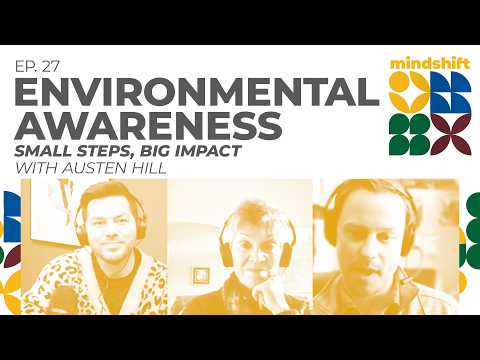
Papio NRD’s work ranges from soil conservation and water-quality efforts to flood control and recreation, Hill told hosts Christopher and Deb on the Mind Shift podcast produced by Papillion La Vista Community Schools. He said many residents do not recognize the NRD’s role because much of the work operates "in the background"—for example, reservoirs that reduce flood risk while adding lakes, trails and habitat.
Hill said those dual-purpose projects help mitigate growing flood risk as development adds impervious surface and increases runoff. "It's great for families. It's great recreation. I love taking my kid out to walk on nature hikes, but it's also great for flood reduction," he said. He described the projects as creating "islands of preferred habitat" that also form corridors for wildlife moving through an increasingly developed landscape.
Hill gave examples from Choco Hills, where staff have observed deer, porcupine and rare migratory birds visiting reservoir sites, and said that creating connected greenspaces helps wildlife navigate development pressure. He added that Papio NRD does not generally manage air-quality programs; the emphasis is on water quantity, flood control, habitat and recreation.
The NRD’s projects are presented as long-term community investments rather than one-time amenities: they aim to reduce flood risk, provide outdoor access for families and create habitat for migratory and local species. Funding sources and specific project timelines were not specified on the episode; Hill directed listeners to the NRD’s website for details and to learn about volunteer or educational opportunities.
The episode closed with Hill noting that the projects are part of broader community planning to keep pace with regional growth while offering spaces for recreation and wildlife. Listeners can find more information and current project lists on the Papio NRD website or the NRD education page referenced on the Mind Shift episode.