Get Full Government Meeting Transcripts, Videos, & Alerts Forever!
Get email alerts on the Illegal Dumping Enforcement topic
No spam. Unsubscribe anytime.
Philadelphia expands surveillance, enforcement and neighborhood pilots to curb illegal dumping and boost recycling
Summary
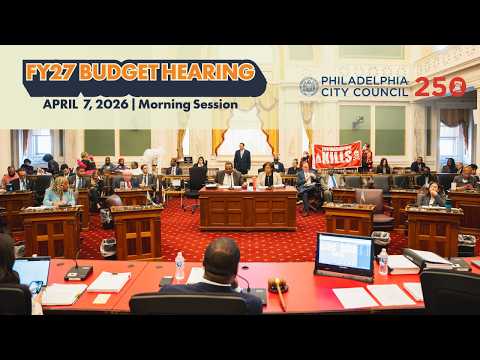
At the budget hearing, sanitation officials highlighted a multi-pronged approach to illegal dumping — new cleanup crews, a 400-camera enforcement network (100 more planned), steeper fines and bulk-collection options — and said they are piloting organics collection while working to raise recycling participation to 15%.
Sanitation leaders told City Council Wednesday they are expanding enforcement, cleanup capacity and pilot programs aimed at reducing illegal dumping while investing in recycling education and organics pilots.
Commissioner Crystal Jacob Shipman said the FY27 budget funds six illegal-dumping cleanup crews and expanded surveillance camera coverage and enforcement staff. Shipman told council the department uses a mix of its own 400 dedicated dumping cameras plus the broader police camera network and expects to add about 100 more cameras in FY27.
On enforcement outcomes, administration officials reported 113 notices of violation issued this year under updated dumping penalties, with 40 cases filed in court and a total of about $98,000 in judgments; roughly $70,000 has been collected as restitution so far, testimony said. Council members and sanitation leaders noted a recent legal and policy change that authorizes vehicle towing tied to illegal-dumping incidents as an enforcement tool.
Officials also described neighborhood-facing programs intended to reduce dumping behavior and encourage reuse: a bulk-collection request process (via 311 or the city website), six sanitation convenience centers open six days a week, community partnership pilots that provide vouchers and alternatives for residents and a Lotscapes pilot to convert vacant lots into community-driven gardens or open space. The department plans to continue public education and partner with community groups to reduce dumping at persistent hotspots.
On recycling, the department said contamination and market conditions have driven costs; Shipman told council recycling processing has approached $90–$117 per ton in recent years and that the city budgeted near $9–10 million for recycling processing. The administration also budgeted for a 76-officer sweep unit focused on education and enforcement; 54 positions were filled at testimony time.
No policy vote was taken; council members asked for additional datasets (311 call volumes, contamination rates, camera deployment maps and cost comparisons) to evaluate impacts and follow up.