Get Full Government Meeting Transcripts, Videos, & Alerts Forever!
Get email alerts on the Implementation topic
No spam. Unsubscribe anytime.
City outlines permit, insurance and data timeline as delivery‑oversight ordinance moves into enforcement
Summary
Boston Transportation Department told the City Council the city's 2025 Road Safety and Accountability ordinance requires permits, insurance and quarterly data reporting; Grubhub is permitted, Uber Eats' application is under review and the first tranche of provider data is expected this summer.
The Boston Transportation Department told a City Council committee April 7 that the city's 2025 Road Safety and Accountability for Delivery Providers ordinance has moved from rulemaking into active implementation and that the city expects to begin receiving standardized delivery data this summer.
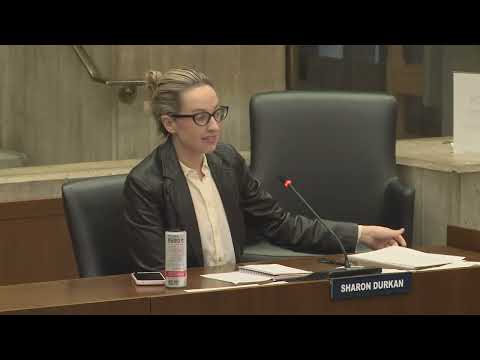
Mia (Amelia) Capone, director of parking and curbside management, said the permit application for third‑party delivery providers launched Feb. 11, 2026. "As of today, Grubhub is permitted. Uber Eats permit application has been submitted and is currently under review," Capone said. She added that the city is in active collaboration with providers to secure the technical data‑reporting pipeline and that other applications, including DoorDash, were expected to be filed.
Capone described the ordinance’s compliance requirements: providers must ensure operators have third‑party liability insurance and occupational accident insurance or must provide certificates showing company coverage; coverage minimums were described in committee (for example, minimum amounts were specified for bodily injury and property damage). She said the ordinance also requires quarterly reporting on trip frequency, vehicle types and routes, which the administration will use to identify hotspots and tailor curb and enforcement strategies.
On enforcement, Capone said the city’s approach focuses compliance efforts on companies rather than issuing on‑street penalties to drivers for the obligations the ordinance imposes on providers. She said routine moving‑violation enforcement of two‑ and four‑wheeled vehicles remains the Boston Police Department’s responsibility. Capone warned policymakers that an outright ban on two‑wheeled delivery vehicles could increase car trips and counteract the city’s climate and congestion goals.
Councilors asked for crash counts, hospitalizations and clearer breakdowns of how many delivery‑related crashes involve mopeds or e‑bikes; Capone said some of those disaggregations are not yet available but the mandated reporting will improve the city’s ability to answer those questions going forward.