Get Full Government Meeting Transcripts, Videos, & Alerts Forever!
Get email alerts on the Micromobility Policy topic
No spam. Unsubscribe anytime.
Boston council hearing spotlights split over proposed ban on mopeds, e-bikes for third‑party food delivery
Summary
Councilors, residents and city officials debated an amendment to Docket 0325 to prohibit mopeds and motorized e‑bikes from third‑party food delivery. Supporters cited pedestrian safety and a Copley Square fatality; opponents warned of job loss, equity harms and enforcement challenges. The measure remains in committee.
Boston City Council members and dozens of public witnesses sparred April 7 over a proposed amendment (Docket 0325) that would bar mopeds and motorized e‑bikes from third‑party food delivery in the city.
Chair Gabriella Collette convened the Committee on Government Operations and read the docket into the record before hearing opening remarks from lead sponsor Councilor Michael Flynn, who framed the amendment as a public‑safety response to a fatal crash near Copley Square last year. Flynn said delivery companies have encouraged mopeds and similar vehicles and that app incentives push drivers to prioritize speed over safety. "Someone lost their life last year after a crash with the moped near Copley Square," Flynn said, arguing the city must act to prevent further deaths.
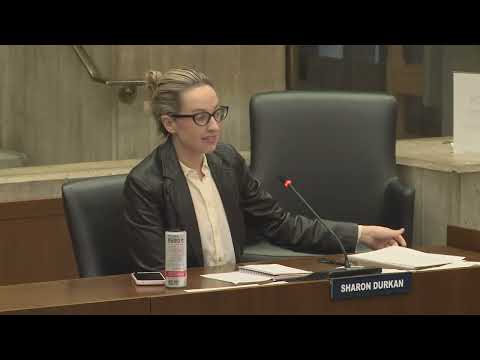
Councilors, administration officials and residents offered sharply different views. Councilor Kendra Durkan urged reliance on data collection and enforcement already required by the city’s 2025 Road Safety and Accountability for Delivery Providers ordinance, called the Durkan amendment by some colleagues, and said she opposed a blanket vehicle‑type ban. "We are the first city in the country to mandate this reporting," Durkan said, urging the committee to allow the data‑driven framework to operate.
Mia (Amelia) Capone, Director of Parking and Curbside Management, told the committee the 2025 ordinance requires providers to secure third‑party liability and occupational accident insurance and to report quarterly on trip frequency, vehicle types and routes. She said the city launched the permit application process Feb. 11, 2026, that Grubhub is permitted, Uber Eats' application is under review and other applications (including DoorDash) were expected. Capone said full enforcement of the existing ordinance was set to begin the week of April 11, 2026. She cautioned that an outright ban could shift deliveries toward four‑wheel vehicles and worsen congestion and environmental goals.
The Boston Police Department sent a letter read into the record raising enforcement concerns: it said limiting delivery to specific vehicle types could force officers to make real‑time determinations of whether an individual was "actively engaged in delivery," creating risk of inconsistent enforcement and community mistrust. The letter also cited counts from crash narratives and theft reports in 2025.
Public testimony split sharply. Carmen Bladen of the Boston Cyclists Union said the amendment would disproportionately harm immigrant and low‑wage delivery workers and undermine climate goals, urging the council to proceed with implementing the 2025 ordinance rather than imposing a ban. Multiple residents and medical professionals recounted near‑misses and traffic injuries they attributed to high‑speed delivery vehicles, with some calling for more immediate action to protect seniors, children and people with disabilities.
No formal vote was taken. Chair Collette said the docket would remain in committee for further consideration as the city proceeds with permit reviews, data collection and implementation of the 2025 ordinance.