Get Full Government Meeting Transcripts, Videos, & Alerts Forever!
Get email alerts on the Developer Fees topic
No spam. Unsubscribe anytime.
Lynwood board declines proposed cut to developer impact fees for 100% low‑income housing
Summary
After public opposition and a board recusal, the Lynwood Unified School District board debated Resolution 252605 — a proposed temporary reduction in developer impact fees for 100% low‑income housing — but the motion did not pass after discussion about classroom crowding, enrollment declines and housing needs.
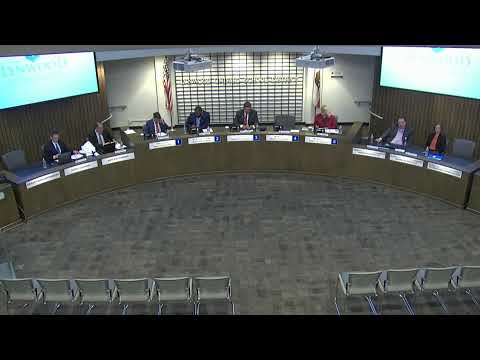
The Lynwood Unified School District board on Aug. 28 debated and ultimately did not adopt Resolution 252605, a proposal to reduce development impact fees for projects that would be 100% low‑income housing.
The item prompted extended public comment from parents, teachers and residents who said the district should protect funds that pay for classrooms and teachers. “These fees were created to make sure students can handle the growth that comes with new housing,” Immaculina Cruz told the board, urging members to “put our students first.” Other commenters cited already‑crowded classrooms and a roughly $17 million low‑interest loan previously provided to the housing project under discussion.
A board member disclosed a potential conflict and recused from discussion and voting on the item. In remarks defending the proposal, a board member said staff had worked on the policy for three to four years and that the measure would not use the general fund: “We’re not giving money away from the general fund. We’re giving a reduction and it’s limited to housing that’s 100% low income,” the board member said, describing the change as a five‑year, targeted effort to help retain families amid declining enrollment.
Supporters argued the fee reduction could encourage construction of rental options that would keep families in Lynwood, preserving student enrollment and classroom sections. Opponents countered that the district’s priority should be reducing class sizes and investing in teachers rather than granting financial concessions to developers.
After discussion and a recorded roll‑call sequence, the motion did not pass. The transcript records the outcome as the item not passing; the transcript does not contain a clear, unambiguous vote tally for the motion in the public record.
The board did not adopt the resolution; no further direction or implementation steps for developer fees were recorded at the meeting.