Get Full Government Meeting Transcripts, Videos, & Alerts Forever!
Get email alerts on the Local Elections Dei topic
No spam. Unsubscribe anytime.
Concord candidates debate what DEI should mean for town governance
Summary
At a DEI Commission forum, five local candidates and community members discussed definitions of diversity, the role of economic inclusion, a proposed hate-and-bias reporting system, and redevelopment priorities for the MCI Concord site.
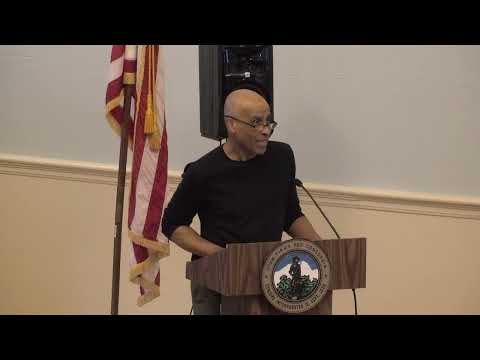
A panel of Concord candidates and community leaders spent more than an hour trading views on diversity, equity and inclusion at the DEI Commission’s candidates forum, centering the discussion on economic access, public safety reporting and practical steps candidates would take if elected.
Moderator Dr. Carlos Hoy framed the night’s format and asked each person to explain “what the D and the E and the I actually mean” to them. Multiple candidates said diversity must include economic status as well as race or identity. “Diversity must include economic income status,” one candidate said, arguing that the housing authority’s mission is to preserve an income mix in town.
Panelists emphasized accessibility and process. Carlin Reed, who is running for town moderator, said the moderator’s job is process-focused: to ensure “people who want to talk about the issues can do so in a comfortable environment” and that the moderator act impartially. Candidates repeatedly proposed training for committee members and staff, including bystander and restorative-repair approaches, to improve how leaders respond when mistakes are made.
The forum turned to a recurring local flashpoint: recent data the moderator cited from the district attorney showing Concord accounted for a disproportionate share of hate-and-bias complaints in Middlesex County. Candidates said a local reporting system could surface hidden incidents but warned the system cannot be a “black box.” Multiple speakers urged clear reporting outputs — anonymized counts, periodic public summaries, and partnerships with faith and nonprofit groups — so residents will trust and use it.
On redevelopment of the former MCI Concord site, candidates favored housing over single-use commercial development but offered varied approaches. One candidate urged a substantial share of mixed-income housing, citing state 40B precedents that typically require a floor of affordable units; others proposed pairing housing with transit-oriented planning or Route 2 commercial buffers to manage traffic and create long-term revenue.
Audience questions pressed candidates on metrics and follow-through. Public commenters and select‑board members asked how Concord would measure progress toward a more welcoming town. Candidates proposed combining qualitative testimony with quantitative indicators — reporting-system counts, school surveys and achievement-gap measures — and pledged to fund the commission and continue public outreach.
The forum closed with panelists urging steady effort and systemic thinking rather than quick fixes. The DEI Commission thanked participants and organizers; the conversation will feed into ongoing working-group efforts on hate-and-bias reporting, town meeting accessibility and housing policy.