Get Full Government Meeting Transcripts, Videos, & Alerts Forever!
Get email alerts on the Single Use Plastics topic
No spam. Unsubscribe anytime.
Committee delays vote on expanding disposable foam ban to include thermoform plastics
Summary
Ulster County legislators agreed Feb. 4 to postpone action on a proposed amendment to Local Law No.10 that would add thermoform plastics (rigid 'clamshell' containers) to a ban on disposable polystyrene foam, citing the need for additional technical review, business outreach and enforcement planning.
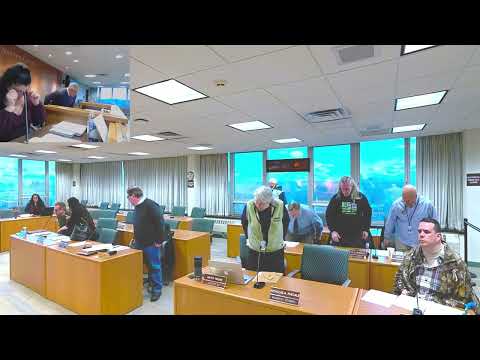
Ulster County's Energy, Environment and Sustainability Committee on Feb. 4 postponed consideration of a proposed amendment to Local Law No.10 that would expand the county's existing disposable-foam restrictions to include thermoform plastics.
The item, presented as a change to Chapter 205, Article Two (Use of Disposable Polystyrene Foam), would replace language referencing "polyropylene" with the term "thermoform" to capture rigid, nonrecyclable food-service containers (often called clamshells). Director Ryder and several legislators described thermoform as a category of molded, rigid plastic that is typically not recyclable.
Lawmakers pressed for more technical information before sending the amended local law to public hearing. Legislator Nolan asked for a prioritized list of problematic products, data on alternatives and a SEQR (environmental review) determination to be shared with businesses and the public ahead of a hearing. Concerns centered on enforcement: several members said bans are easier to check in the field than rules that make items "available upon request," and they urged coordination with the county health department to incorporate a simple checklist into routine inspections.
Deputy Executive Laval described a mix of "active and passive" enforcement approaches and said health department staffing and state-prescribed duties limit the extent of county-initiated active enforcement; he recommended a collaborative approach that includes public reporting of noncompliance. Legislator Litz and others recommended clear statutory language (a ban rather than an availability-on-request standard) to make enforcement practicable.
After discussion, the committee voted to postpone the local-law action to allow staff to assemble a list of problematic materials, research alternatives and coordinate outreach with businesses and the health department. The postponement preserves the option to amend the wording but delays a public hearing until committee members and stakeholders have more information.
The committee also asked staff to confirm the correct statutory review (SEQR) steps before scheduling any hearing and to circulate materials that would help affected businesses understand alternatives and compliance timelines.
The matter will return to committee once the requested technical information and outreach plan are provided.