Get Full Government Meeting Transcripts, Videos, & Alerts Forever!
Get email alerts on the Indigenous Sovereignty topic
No spam. Unsubscribe anytime.
Shinnecock Nation chairwoman says Sunrise Highway billboards sit on tribal land; tribe kept signs lit after court action
Summary
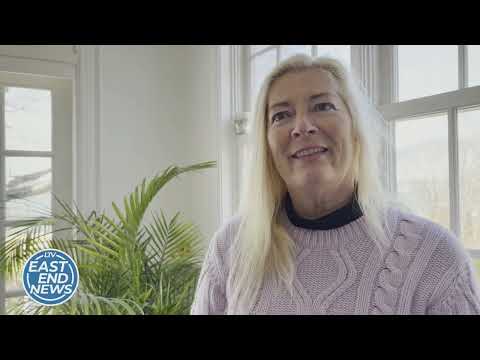
Tribal Chairwoman Lisa Gorey told East End News that billboard columns along Sunrise Highway are on Shinnecock Nation territory (Westwoods), that an easement was taken without tribal consent, and that the nation chose to keep the signs lit as an assertion of sovereign authority and a modest revenue source for tribal programs.
In part two of an East End News interview, Shinnecock Nation Tribal Chairwoman Lisa Gorey said billboard columns along Sunrise Highway are located on Westwoods territory that the nation regards as tribal land and that a right-of-way taken in the 1950s was not done with the tribe's consent.
Gorey said the nation constructed the first billboard in 2019 and followed with a second, using the space to generate modest revenue to support government services including housing, health and environmental programs. "There is not a lot of money and those signs actually don't generate a whole lot of money for us either, but the purpose is so that we can continue to run our government," Gorey said.
Gorey described a legal challenge in which a judge ordered the signs to be turned off, but the court fined the company that supplied power rather than the nation. She characterized the tribe's position as one of sovereignty: "We are a sovereign government and we govern over our lands. So it was our decision, our right to to keep those signs lit," Gorey said.
The interview also notes that the tribe views the right-of-way as an easement that was taken without the trustees' permission in the 1950s. Gorey said the revenue from advertising helps sustain tribal programs and that federal funding alone is insufficient for the nation's needs. The broadcast directed viewers to a full video of the interview on the station's YouTube page and channel 20 for additional context.