Get Full Government Meeting Transcripts, Videos, & Alerts Forever!
Get email alerts on the Syringe Waste Program topic
No spam. Unsubscribe anytime.
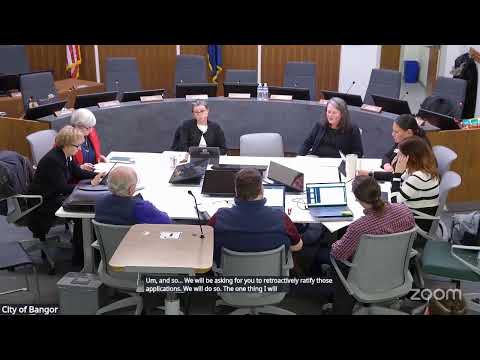
Committee approves renewal of syringe cleanup MOU with Wabanaki Public Health and Wellness (up to $60,300)
Summary
The committee approved a memorandum of understanding to continue the syringe cleanup program with Wabanaki Public Health and Wellness, asking staff to change the language to 'in the amount of up to $60,300.' The director reported Wabanaki billed about $15,394 so far and bills actual expenses.
The Government Operations Committee voted to approve a memorandum of understanding between the city and Wabanaki Public Health and Wellness to continue a syringe cleanup program, with committee members asking that the MOU specify "in the amount of up to $60,300."
Public Health Director Jen Gunderman summarized the program, which handles public reports of syringe waste, collects supplied boxes placed around the city, and processes items delivered by public works and other departments. She said the MOU covers response, pickup and education, and that Wabanaki bills actual expenses for staff time, supplies and disposal.
"As of the end of February, they have filled about $15,394," Gunderman told the committee, citing the contract reporting. She said Wabanaki under‑spent in the first year in part because of leftover supplies from the previous contractor, Health Equity Alliance, and that staff recommended continuing a part‑time position in the budget in case demand rises.
Council members raised transparency questions about whether the city should issue an RFP for the service. Gunderman said the city had approached Wabanaki after HEAL stopped providing the service and that an RFP was possible but could leave a gap in coverage; committee members noted the risk of a service interruption during an RFP process and supported moving forward while evaluating longer-term procurement options.
A motion to accept the MOU as amended to read "in the amount of up to $60,300" was made, seconded and approved by the committee.
Next steps: staff will finalize the amended MOU and proceed with the contract; committee discussion indicated staff may examine RFP options in the coming year to ensure transparency and continuity.