Get Full Government Meeting Transcripts, Videos, & Alerts Forever!
Get email alerts on the Municipal Code topic
No spam. Unsubscribe anytime.
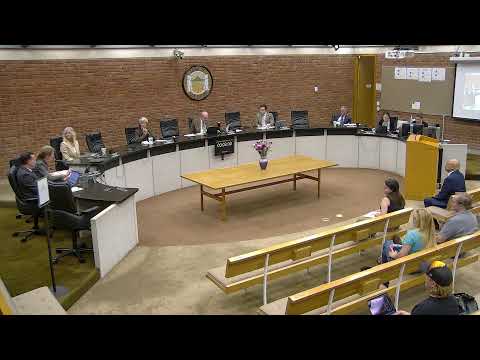
Los Gatos council introduces ordinance to require residential alarm permits, sets Jan. 1, 2026 effective date
Summary
The council introduced an amendment to the false-alarm ordinance to require annual residential alarm permits (matching commercial fees), impose penalties for repeat false alarms and set the ordinance effective Jan. 1, 2026, to allow outreach to residents and alarm companies.
The Town Attorney and police staff asked the council on Sept. 2 to expand the town’s false-alarm ordinance to cover residences as well as commercial properties and to clarify administrative processes for penalties and appeals.
Gabrielle Wen (Town Attorney) outlined the proposed amendments: require residential alarm permits with an annual registration fee currently $95, impose a service charge when a site has more than two false alarms within a six-month period (and double the fee when police respond to locations without a permit), and allow the chief of police to place a location on no-response status after five false alarms in a calendar year (with an appeal process to the town manager). The staff report also recommended removing an outdated sign-posting sentence and adding administrative-fine schedule references and collection-service language to the code.
Captain Clinton Tada described operational details and how dispatch and third-party vendor services would track alarms and notify property owners; he said no-response locations would be flagged in the computer-aided dispatch system. Wen said the town would set the ordinance’s effective date to Jan. 1, 2026 to permit outreach (door hangers, social media and notices to alarm companies).
Council moved to introduce the ordinance with an amendment clarifying that an appeal is a necessary prerequisite before pursuing judicial or administrative challenges; introduction passed unanimously. Council later approved the Jan. 1, 2026 effective date.
What happens next: Staff will undertake community outreach about the changes, finalize ordinance language for adoption at a future meeting and propose fee schedule adjustments as needed to ensure cost recovery.