Get Full Government Meeting Transcripts, Videos, & Alerts Forever!
Get email alerts on the Local Taxation topic
No spam. Unsubscribe anytime.
Washington council adopts local 1% grocery tax to replace expiring state levy
Summary
After lengthy debate about timing and budget impacts, the Washington City Council voted 6–2 on April 21 to adopt a municipal 1% grocery tax that will replace a state‑collected levy set to expire Jan. 1, 2026; staff estimated the tax will yield about $500,000 annually.
The Washington City Council voted 6–2 on April 21 to adopt a municipal 1% grocery retailers occupation tax that will replace a statewide grocery tax scheduled for repeal on Jan. 1, 2026.
Joanie, a city staff member presenting the item, told the council the measure does not raise rates but transfers collection from the state to the city and that the revenue is “about a half‑million dollars” annually. She also said the city must have a recordable ordinance in place by October 1 to preserve the revenue stream.
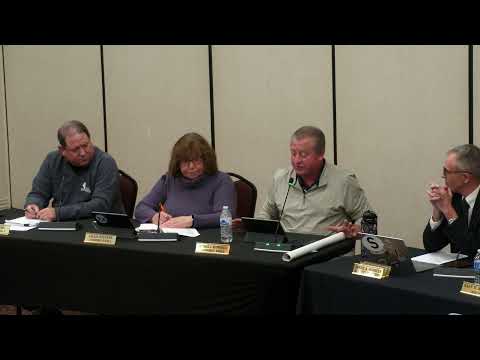
Opponents said the timing — brought before the outgoing council with a new council due to be seated May 1 — made the item appear rushed. Alderperson Blendy argued the move continues a pattern of raising or shifting taxes, saying, “we can't keep pushing the easy button of just raise tax, raise tax, raise tax.” Miss Stevens joined him in opposition and was one of two no votes.
Supporters framed the measure as maintaining existing revenue the city already receives through the state and as necessary to fund upcoming projects and the FY2026 budget. Mr. McIntyre summarized the impact as modest at the consumer level: “to me, this is $1 for every hundred on groceries.” Several council members said surrounding municipalities are taking the same step and that failure to act could leave a significant budget gap.
The ordinance passed with six in favor and two opposed; the council recorded Alderpersons Stevens and Blendy as the no votes. Council discussion also noted that the tax is collected by the state and returned to municipalities with no administrative fee.
Next steps: staff will finalize ordinance language and submit the required paperwork to the state before the October filing deadline so the city can receive proceeds after the state repeal takes effect in January 2026.