Get Full Government Meeting Transcripts, Videos, & Alerts Forever!
Get email alerts on the Federal Budget topic
No spam. Unsubscribe anytime.
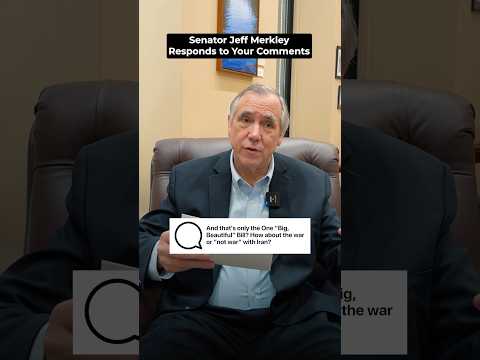
Presenter says Trump-backed bill could add about $30 trillion to U.S. debt, cites CBO estimate
Summary
A presenter cited a Congressional Budget Office estimate that a recent Trump-backed bill could add about $30 trillion to the national debt over 30 years, warned costs would grow if interest rates rise, and urged reinstating higher taxes on the ultra-wealthy to stabilize finances.
A presenter said a recent Trump-backed bill will add roughly $30 trillion to the U.S. national debt over the next 30 years, citing a Congressional Budget Office estimate and urging higher taxes on the ultra-wealthy to restore fiscal balance.
The presenter, identified in the transcript as "Presenter," told viewers that the CBO estimate shows the measure would "add 30 trillion dollars to our debt," roughly doubling the nation's current debt level. The remarks said the estimate is sensitive to interest rates: "If interest rates are 1% higher, it will add 50 trillion to our debt," the presenter said.
The presenter linked the bill's projected cost to cuts in social programs, saying "Yes, it cuts nutrition. That's terrible. Yes, it cut health care. That's even worse," and argued that reducing services while increasing long-term debt compounds harm to families.
The speaker also said the CBO figures "don't include" current war spending, asserting the ongoing conflict with Iran is costing an "estimated 1 to 2 billion more per day" and warning that those expenditures would further increase federal deficits. The remarks invoked past conflicts as additional examples, saying the wars in Afghanistan and Iraq "added 8 trillion dollars to our debt" and led to about "7,000 American service members" deaths and many injuries.
Turning to political accountability, the presenter criticized Republican fiscal claims, saying tax cuts and war spending have "bankrupt[ed] our nation" and that promises to "drain the swamp" have not been kept. The speaker argued the tax changes have "massively increased the wealth of the wealthiest Americans," who now invest in private equity and other holdings.
To illustrate the argument on tax fairness, the presenter quoted Warren Buffett: "Why is it I get to pay a lower tax rate than my secretary?" and called for reinstating fair taxes on the ultra-wealthy as a necessary step to stabilize debt and free resources for "health care, housing, education in the years to come."
The figures and assertions in the remarks were presented by the speaker and attributed in the transcript to the Congressional Budget Office and to historical wartime costs; this article reports those claims as stated in the remarks and does not independently verify them. The remarks concluded with a call to restore taxes on high earners to enable future public investments.