Get Full Government Meeting Transcripts, Videos, & Alerts Forever!
Get email alerts on the Criminal Justice topic
No spam. Unsubscribe anytime.
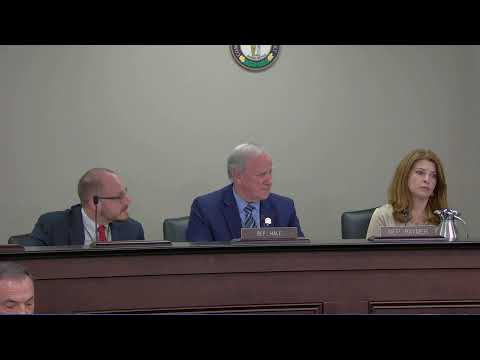
House committee approves bill letting DOC set execution protocols by policy, prompting debate over transparency
Summary
Senate Bill 251 would let the Department of Corrections implement execution protocols by internal policy rather than through administrative rulemaking. The House State Government Committee approved the measure 13–6 after hours of testimony that included a victim letter in favor and religious and civil‑society opposition citing exoneration risk and the need for safeguards.
The House State Government Committee voted 13–6 to advance Senate Bill 251, a measure that would allow the Kentucky Department of Corrections to prescribe and implement execution protocols by internal policy memorandum or other internal action rather than being required to promulgate administrative regulations under the state Administrative Procedure Act.
Senator Steve West, sponsor, framed the bill as a matter of the separation of powers and speed: he said repeated litigation and the administrative‑rule process have produced long delays and that giving DOC the option of internal policy would let the agency respond more quickly when court orders require changes. "The legislature writes the laws. The executive branch carries out the laws... the judicial branch is not supposed to write policy," West said.
Counsel from the Attorney General's office presented context and read a victim's letter from Lisa Briscoe Lally asking lawmakers to end what she called decades of delay in executing Ralph Baze, who has been on death row since 1992. "My family and I want justice," the letter stated.
Opponents warned the change could reduce transparency and weaken safeguards for defendants. Jason Hall of the Catholic Conference of Kentucky said executions are irreversible and that the state should retain robust procedural safeguards, such as those governing mental competency and public oversight. Multiple committee members cited both rule‑of‑law and moral concerns in explaining their votes.
Committee supporters said internal policies would remain subject to judicial review and could be disclosed through court proceedings and discovery when challenged; they argued the regular administrative‑rule cycle can take many months and has repeatedly slowed implementation.
The committee recorded a 13–6 vote in favor of SB 251. The sponsor said defendants would retain the ability to challenge policies in court; opponents stressed the risk posed by mistakes and by decisions made without the full APA process. The bill will proceed to the full House.