Get Full Government Meeting Transcripts, Videos, & Alerts Forever!
Get email alerts on the Virtual Education topic
No spam. Unsubscribe anytime.
Board limits online cosmetology instruction to 50% of curriculum, caps recorded lessons at 10%
Summary
After months of discussion, the board voted to allow up to half of a licensure curriculum to be delivered via virtual/distance education but limited asynchronous (recorded, non‑live) instruction to no more than 10% of total required hours; formal rulemaking will follow.
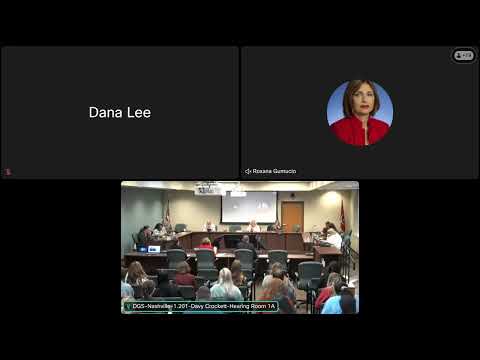
The State Board of Cosmetology and Barber Examiners voted to authorize rulemaking that would allow up to 50% of any cosmetology‑license curriculum to be delivered through distance or virtual education, with a specific cap of 10% of total hours that may be asynchronous (recorded or non‑live) instruction.
Legal counsel Joe Warden framed the distinction: synchronous instruction occurs when an instructor is live and interacting with students via videoconference; asynchronous instruction consists of recorded videos, modules or exercises completed without a live instructor. Warden said other states (including Alabama and Texas) have adopted 50% thresholds and cited a Nevada risk assessment that board members reviewed while discussing which curriculum elements pose higher health and safety risks.
Supporters of the cap said the limit balances access with safety. Chair Becky Russell and several board members emphasized that sanitation, chemical handling and other safety‑sensitive topics should not be left to recorded instruction alone. “I would like to see that NO more than 10% of the education be taught in an asynchronous fashion,” Russell said during debate; after discussion the board voted by roll call to start the formal rule‑making process with the 50%/10% parameters.
Opponents cautioned about enforcement and recordkeeping. Member Amy Tansley said she supported virtual options because they expand access for students who cannot attend full‑time in person, but another member warned that the board currently relies on complaint investigations and inspections to reveal non‑compliance. Board staff said rule language would require schools to document in student records how many hours were delivered in person, synchronously online and asynchronously so transfers and inspections can verify compliance.
Counsel said he would begin drafting proposed rules for public notice and a rule‑making hearing; the board expects a formal hearing later in the year to take public comment and refine implementation details.