Get Full Government Meeting Transcripts, Videos, & Alerts Forever!
Get email alerts on the Transit Operational Analysis topic
No spam. Unsubscribe anytime.
Beaumont transit study finds 96 of 129 stops inaccessible; staff recommends longer hours, more frequent service and bus‑stop upgrades
Summary
City staff and consultants presented preliminary findings from the Beaumont transit comprehensive operational analysis: ridership has risen 33% since FY2022, 58% of riders are students, most routes run hourly and 96 of 129 stops fail accessibility standards. Staff will draft service concepts and return with recommendations this winter.
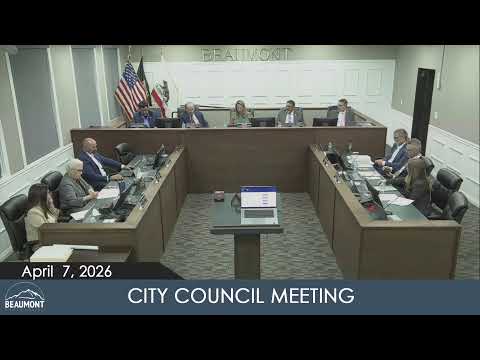
City staff and the consultant team presented phase‑one findings of the Beaumont Transit comprehensive operational analysis (referred to in the meeting as "Bowmont on the Move"). The presentation reviewed network structure, ridership patterns, stop conditions and public outreach results and identified near‑term priorities.
Consultant Ron Kilcoin said the system’s ridership increased roughly 33% since FY2022 and that students make up a large share of riders: "58% of our riders are students and 56% are under the age of 18," he reported. Peak ridership aligns with school bell times, and the busiest boarding locations are Walmart, Mountain View Middle School and Beaumont High School. Staff noted weekday service largely runs every 60 minutes with most service ending by about 6 p.m.; Saturday service is more limited and there is no Sunday service.
Survey work and community outreach (onboard rider surveys, non‑rider surveys and pop‑up events at busier locations) showed top priorities for improvement are on‑time performance, expanded hours (earlier starts and later evening service), and bus‑stop amenities. The team also inventoried 129 bus stops and found 96 that do not meet accessibility standards — examples include insufficient landing area, no paved landing pad, or a too‑steep boarding surface.
Staff outlined possible responses: phased stop upgrades prioritized by ridership and access, exploring microtransit to serve low‑density areas in tandem with fixed routes, and moving toward open‑payment (tap‑to‑pay) on buses tied to grant‑funded zero‑emission vehicle purchases. Officials said the new open‑payment capability will likely take two to three years as new buses arrive; in the meantime, an app‑based pass purchase system is in use. Councilmember Laura confirmed that a youth ride‑free promotion funded by a grant is scheduled to end June 30, 2026.
Council members asked about prioritizing ADA improvements and whether incremental upgrades could render stops compliant. Staff said many stops are "grandfathered" and will be addressed in phases; some improvements require only modest concrete landing expansion. The consultant said draft service concepts will be developed based on community input and a market analysis, returned for public review, and a final plan is expected for council adoption in winter.
Why it matters: staff emphasized that a majority of transit users are dependent on the service and that changes in span and frequency could affect students, low‑income households and riders who lack alternative travel options.
Next steps: staff will draft alternatives (fixed‑route and microtransit mixes, fare‑structure changes including fare capping and open payment, and a prioritized bus‑stop improvement program), seek public feedback on concepts, and return to council with a recommended plan for adoption in the winter cycle.