Get Full Government Meeting Transcripts, Videos, & Alerts Forever!
Get email alerts on the Tourism topic
No spam. Unsubscribe anytime.
Kittitas County Chamber presents tourism strategy: Ellensburg draws overnight visitors but faces a hotel shortfall
Summary
The Kittitas County Chamber told the council its tourism plan estimates 364,000 overnight trips, $187 million in annual visitor spending and rising demand from sports tourism that could outstrip local hotel capacity when new facilities come online.
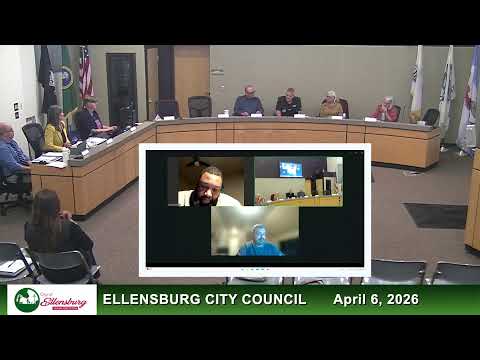
The Kittitas County Chamber reported to the Ellensburg City Council that tourism remains a major economic driver for the city and county, but rising demand and planned venue expansion could create a shortfall in overnight lodging.
Amy McGuffin, president and CEO of the Kittitas County Chamber of Commerce, told council the chamber’s 10‑year tourism strategy — prepared for the county lodging tax committee and available on the chamber website — identifies 364,000 annual overnight trips and roughly 811,000 visitor‑nights, producing about $187 million in visitor spending each year. She said the typical visitor stays about 2.5 days and that downtown Ellensburg draws large daytime visitation (the presentation cited about 352,000 unique downtown visitors averaging 53 minutes per visit).
McGuffin flagged sports tourism and the upcoming fieldhouse as growth opportunities that could increase demand for hotel rooms beyond current supply. “If we don’t have the hotel rooms, we’re sending them as far as Yakima and Walla Walla when tournaments come to the area,” she told council, urging the city and partners to factor lodging availability into event‑planning and lodging‑tax investments.
The presentation noted methodology caveats (use of Placer.ai cell‑phone–based pings and their limitations), and explained that state lodging‑tax grant rules (advertising reach of 50 miles or more) shape eligibility for some event funding. Chamber staff emphasized collaboration with Central Washington University to capture alumni and family visitation and promoted joint promotional packages (hotel + restaurant + event) to bolster overnight stays.
The council had no substantive questions during the presentation; members thanked the Chamber for the report and noted tourism’s role as a major local employer and revenue source.
Why it matters: Visitor spending and overnight stays form a material revenue base for local lodging taxes and downtown businesses; capacity shortfalls tied to large sports events could push visitors and economic activity outside the city if hotel supply does not keep pace with demand.