Get Full Government Meeting Transcripts, Videos, & Alerts Forever!
Get email alerts on the Abandoned Vessels topic
No spam. Unsubscribe anytime.
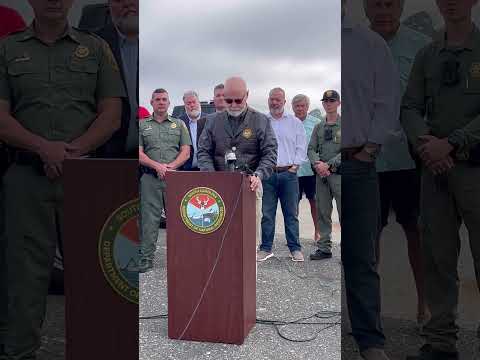
Presenter warns abandoned vessels are polluting South Carolina waters and threatening safety
Summary
A presenter said abandoned boats are releasing hazardous materials and fiberglass fragments that can contaminate aquifers and shellfish, and urged continued legislative support, volunteer removal work and private donations — including over $100,000 raised from divers and nonprofits.
Presenter said abandoned and derelict vessels are contaminating South Carolina waters, posing risks to residents who rely on well water and to coastal fisheries. "24% of our families are drinking their water off of wellwater," the Presenter said, and added that the pollutants involved are "carcinogens."
The Presenter said these vessels often contain fuel, oil, batteries and other hazardous materials that leak into surrounding waters and sediments as hulls decay. The talk linked that pollution to possible public-health impacts and ecological harm: "These fiberglass particles can be ingested by shellfish such as oysters," the Presenter said, noting that "One oyster filters 50 gallons of water a day."
Describing boat removals as pollution prevention, the Presenter said removing abandoned craft is more than hauling debris: it prevents long-term contamination of ecosystems and fisheries. He framed the work as an intersection of ecology and epidemiology, saying pollutants that enter marine organisms can move through the food chain and potentially affect human health.
The remarks also emphasized maritime safety: the Presenter warned that derelict or partially submerged vessels "create dangerous obstructions for boaters and fishermen," can damage vessels in low visibility or shifting tides, and therefore pose immediate navigational hazards.
On policy, the Presenter praised lawmakers for advancing legal authority and resources to address abandoned vessels, naming "Senator Steven Gin" and "Senator Chip Campson" as legislative champions. He cautioned, however, that laws alone do not remove boats and stressed the need for people and partnerships to act.
The Presenter said private contributions and volunteer efforts are filling gaps: he said "over $100,000 has been given from our divers and from our nonprofits" at the event to support removal work. He singled out veteran volunteers, including an individual named Rudy, as continuing to serve their communities by protecting shared natural resources.
No formal vote or action was recorded during the remarks; the Presenter framed removal as ongoing work that depends on continued funding, volunteer labor and enforcement or programmatic support from authorities.