Get Full Government Meeting Transcripts, Videos, & Alerts Forever!
Get email alerts on the Budget topic
No spam. Unsubscribe anytime.
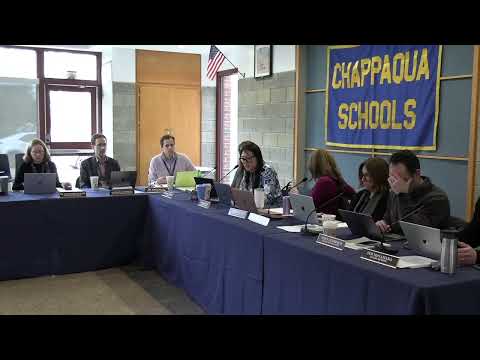
Board reviews $150M-scale budget, bond schedule and tax-levy scenarios; proposed budget would raise average Newcastle homeowner's school tax by about $420
Summary
Finance staff laid out capital-bond retirements through 2040, tax-levy scenarios tied to inflation and allowable growth, and the superintendent's proposed budget; using district assumptions the average Newcastle property would see roughly a $420 annual school-tax increase under the proposed plan.
District finance staff walked the board through long-range debt schedules, two tax-levy scenarios and the rationale behind the superintendent's proposed budget.
Josh summarized four active capital bonds that the district is repaying (recent projects include roof replacements, HVAC and field upgrades, and instructional-space investments) and displayed a debt-service schedule extending through 2040 showing near-term increases and later declines as older debt retires. He also noted the district has not yet received full building-aid reimbursements on some projects.
On tax levy math, staff presented March inflation figures and the state's allowable-growth computations: using current inputs, the proposed budget scenario would create an average school-tax increase for Newcastle homeowners of about $420 (the presentation cited an impact of about 2.06% for Newcastle and 1.19% for Mount Pleasant under the proposed budget). Staff also showed an alternate levy case, explaining how changing the fund-balance draw would alter the levy by a few tenths of a percentage point and increase a typical homeowner's bill by roughly $49 annually under one alternate scenario.
Board members pressed whether the proposed fund-balance draw and levy path would preserve fiscal resilience. Josh said the administration favors a steady, gradual reduction in reliance on fund balance rather than abrupt cuts, noting the district's recent access to atypical one-time reimbursements and other revenue sources that improved near-term finances. "The slow and gradual steady decrease is the philosophy I've been taking," he said.
Administrators answered questions about current-year high-school class-size counts (presented as current enrollment snapshots rather than finalized next-year projections) and said they are tracking programmatic impacts that could influence staffing and future budgets.
Ending: The board moved into executive session later in the meeting to discuss the employment history of particular individuals. The proposed budget remains scheduled for adoption at the April 8 public meeting; administrators will respond to additional board questions and community feedback before that vote.