Get Full Government Meeting Transcripts, Videos, & Alerts Forever!
Get email alerts on the Public Safety Dispatch topic
No spam. Unsubscribe anytime.
Seymour board asks for more analysis, town hall before moving 911 dispatch to regional center
Summary
After hearing cost and operational estimates, the Board of Select Persons asked staff for a written comparative report and a town hall with the police chief and Northwest Public Safety before deciding whether to move 911 dispatch from the Seymour Police Department to Northwest Connecticut Public Safety Communication Center.
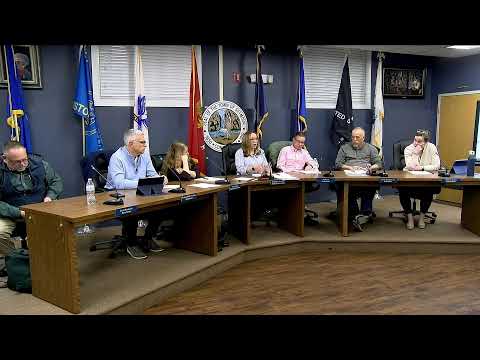
The Board of Select Persons on Monday discussed a proposed move of the town’s 911 dispatch function from the Seymour Police Department to the Northwest Connecticut Public Safety Communication Center, but stopped short of any binding decision and asked for a written report and public information session.
Board member Kurt reported financial figures presented by the police chief showing the town currently pays about $121,344 for in‑house dispatching and that a contract with Northwest would cost roughly $462,753 — an increase of approximately $341,409 in recurring annual expense as modeled. Board members acknowledged additional one‑time infrastructure costs could be partially covered by state grants.
Why it matters: Officials said the change could free sworn officers from behind the dispatch window and allow redeployment to patrol or special task forces, which supporters said could improve response capacity. Opponents and some residents worried about the so‑called “dark station” perception (a lobby that appears unattended) and about whether an outsourced dispatcher would know local streets and context as well as current staff.
Board members debated three principal options presented at the meeting: (1) keep dispatch in‑house with additional training for current officers, (2) hire civilian dispatchers locally, or (3) contract with Northwest Public Safety. The chief and staff ran cost comparisons showing civilian staffing would be more expensive in the model provided, and training existing officers carried recurring training and backfill overtime costs that the board needed to quantify.
Multiple members asked for precise, comparable numbers and operational detail. The board directed staff to prepare a written, comparative report that clearly shows baseline costs, recurring costs, assumptions about overtime and minimum staffing, training costs (the chief’s estimate for full cross‑training was presented at about $100,000 as a recurring or periodic cost), and the operational impacts on lobby service, mutual‑aid coordination and surge events.
Several selectpersons also recommended a town hall or FAQ posted online so residents can pose questions directly to the chief and a Northwest representative before any binding commitment. The board emphasized it would not sign a binding contract until it had the report and public engagement, and legal counsel confirmed any memorandum of intent could be drafted as non‑binding to preserve review and public comment opportunities.
The board did not vote to change dispatch arrangements at the meeting. Next steps: staff will produce the requested report and a proposed public‑engagement schedule; the board plans a town hall and to revisit the topic in a subsequent meeting.