Get Full Government Meeting Transcripts, Videos, & Alerts Forever!
Get email alerts on the Parks And Recreation topic
No spam. Unsubscribe anytime.
Greenwich hearing on Dorothy Hamill rink draws hours of debate and hundreds of comments
Summary
The Planning & Zoning Commission heard hours of testimony on a plan to replace and move the Dorothy Hamill rink within Eugene Morlock Memorial Park. Supporters said keeping a modern rink in Byrom preserves youth access; opponents warned the 'flip' would reduce open green space, remove trees and increase traffic. The commission left the municipal improvement application open and asked staff and the applicant for more traffic, phasing, green‑space and energy details.
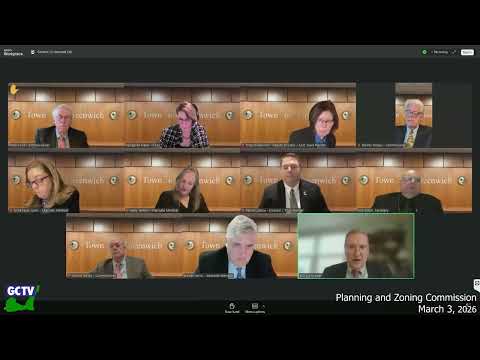
Greenwich’s Planning & Zoning Commission on March 3 reopened an extended public review of a plan to replace and relocate the Dorothy Hamill rink within Eugene Morlock Memorial Park, drawing hours of testimony and pages of written comments.
Town staff and the rink task force described a modified “flip” plan that shifts the rink north, reconfigures the existing baseball field and parking, and adds a new access drive from Western Junior Highway. The town said the design aims to preserve the Byron Veterans Memorial Tree Grove, add native plantings and modernize stormwater controls, while providing a year‑round ice facility modeled on regional standards.
First Selectman Fred Camillo urged approval, saying the project is the culmination of years of study and broad engagement: “I express my strong support for the flip option...the task force refined the list of options to recommend constructing a new rink in the flipped variant within Morlock Park,” he told commissioners during the public hearing.
But dozens of residents, neighborhood groups and conservation advocates told the commission they opposed the siting and scale. Speakers said the proposal would remove dozens of trees, require substantial regrading and retaining walls, and shrink or reconfigure what many described as a cherished open lawn and neighborhood green. “Rebuilding the athletic field in a different location within the same park does not preserve open space or park‑like character,” said one opponent, urging the board to find a different site.
Commissioners pressed the town for more detail before taking any procedural step: a clearer construction phasing plan so skating can continue during work; a quantified green‑space and tree‑loss accounting; a revised traffic and parking analysis for peak events; explicit ADA access and where accessible parking will be located; and an energy narrative describing the building’s solar‑readiness and geothermal feasibility. Staff and applicants agreed to return with more detailed documentation and to keep the hearing open to allow the commission to read late written comments that were posted shortly before the meeting.
The commission did not vote on the municipal improvement or site plan; the hearing remains open pending the additional studies and materials requested.