Get Full Government Meeting Transcripts, Videos, & Alerts Forever!
Get email alerts on the Budget Discretionary Funds topic
No spam. Unsubscribe anytime.
Board adopts formal guidance for $25,000 commissioner discretionary funds after heated debate
Summary
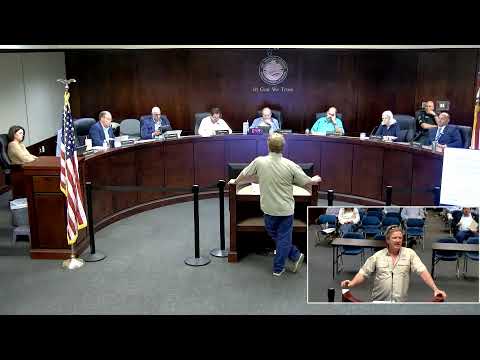
After a prolonged and sometimes heated exchange over what constitutes allowable use of commissioner district funds, Walton County adopted a discretionary spending policy outlining allowable office expenses, items requiring commissioner approval, and items requiring full board approval; the final vote was 3–2.
Walton County commissioners adopted a formal policy setting guidelines for district-designated discretionary funds—$25,000 per commissioner—after a lengthy debate about permissible uses and transparency.
Staff member Miss Thomasson presented a draft policy that organized expenditures into categories: routine office expenses, items requiring individual commissioner approval and items requiring full board approval, including capital improvements and contracts. Commissioners discussed whether items such as food and beverage for constituent meetings, sympathy/thank-you cards, mailings and hiring decisions should be chargeable to the county account.
Commissioner Glidewell said personal courtesies and refreshments should not be paid with taxpayer funds and moved to remove several categories from allowable expenditures. "If you want this kind of stuff, pay for it," Glidewell said. Commissioner Johns and others argued the draft mirrored existing statutory guidance and that the clerk’s office retains oversight; Johns moved to accept the draft as presented.
After substitute motions and further debate, the board adopted the draft policy as presented on a 3–2 vote, with Commissioners Anderson and Glidewell opposing. The adopted framework requires that capital improvements and contracts still come to the full board; routine office expenses are defined and subject to clerk review.
The policy aims to balance commissioners’ need to conduct constituent services with public transparency and statutory compliance. Staff will provide the finalized language to the clerk for implementation and post the procedures for public access.
Commissioners said they will continue to rely on the clerk’s oversight and recommended staff ensure clear, accessible guidance for constituents and auditors.