Get Full Government Meeting Transcripts, Videos, & Alerts Forever!
Get email alerts on the Wildlife Conservation topic
No spam. Unsubscribe anytime.
Volunteers outline habitat, predator and box‑design steps to support local bluebirds
Summary
At a Rattlesnake Creek Watershed Group event, longtime monitors described decades of volunteer banding and nest‑box work, urged habitat‑focused placement of boxes, warned about invasive species and vandalism, and offered practical monitoring tips to residents.
Kathy Hefernon and Jane Brockway, longtime volunteer monitors, told a community audience Tuesday that simple, habitat‑focused actions can boost bluebird nesting success across the Rattlesnake Creek area and nearby Mineral and Missoula counties.
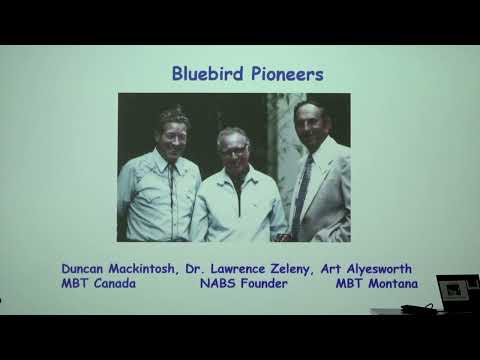
“Bluebirds depend on us,” Jane Brockway said, summarizing why volunteers maintain and monitor nest boxes. The presenters traced local conservation efforts back to the 1970s and the work of early volunteers such as Art Alsworth, and described how monitoring and modest design changes improved nesting success in the region.
Kathy Hefernon, whose family has monitored a trail since 1998, said she and her husband currently maintain about 35 boxes across multiple sites and monitor additional boxes placed for tree swallows and other cavity nesters. “We have about 35 boxes that we monitor,” Kathy said, describing routine checks, nest replacements and banding contributions to broader research databases.
Speakers emphasized habitat first: open grasslands or pasture near trees, not dense woods or city centers, and recommended spacing boxes to reduce competition. They described slot‑box designs to exclude house sparrows and European starlings in neighborhoods, and cautioned residents against installing bluebird boxes near barns, houses or where cats are free to roam.
“Please, please, please don’t put up a bluebird box” in unsuitable locations, Brockway said, explaining that boxes placed near homes often attract invasive species that harm bluebirds. Presenters described house sparrows and starlings as invasive pests that can destroy nests; they noted those species are classified as agricultural pests and said they are not protected under the federal Migratory Bird Treaty Act, as presented at the meeting.
The speakers also recounted practical problems volunteers face: vandalism (including shooting of nest boxes on some trails), predation by corvids and snakes, blowfly infestations near livestock, and loss of nests during fires. They described how post‑fire landscapes can later benefit cavity nesters once primary cavity makers (woodpeckers) create nesting holes.
The talk covered monitoring hygiene and handling: presenters advised volunteers not to handle eggs or nestlings unless licensed and recommended cleaning and nest‑replacement practices for abandoned nests at the end of the season. Banding records were described as a key resource for tracking site fidelity and migration, though the presenters acknowledged some migration patterns remain uncertain.
The session closed with information on Mountain Bluebird Trails resources, a forthcoming updated monitoring guide with live links, and downloadable children’s activity booklets for local educators and volunteers. Organizers encouraged residents to contact Mountain Bluebird Trails or the Rattlesnake Creek Watershed Group for assistance placing boxes in appropriate habitat.
The presentation was followed by audience questions about wintering locations, banding results and recent low fledging rates in the North Hills, where speakers attributed poor seasons in part to late spring storms and cold snaps. The event ended with volunteers offering to show example boxes and materials to interested attendees.