Get Full Government Meeting Transcripts, Videos, & Alerts Forever!
Get email alerts on the Animal Welfare topic
No spam. Unsubscribe anytime.
Smyth County animal shelter reports record 90.7% live‑release rate after grant‑funded improvements
Summary
Founders of Smyth Animal Rescue reported a 90.7% live‑release rate for 2025 and described recent facility upgrades and best practices — including vaccinations, pre‑adoption sterilization and microchipping — supported by grants at no cost to the county.
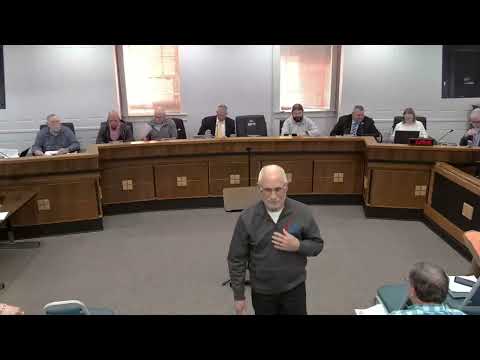
Founders Dave and Susie Fields told the Smyth County Board of Supervisors on March 12 that 2025 was their first full year operating the county animal shelter and that the shelter recorded a live‑release rate of 90.7%, the highest in the shelter's history.
"Last year was the highest live release rate I believe in the history of Smith County at 90.7%," Susie Fields said, citing a rise from about 67% in 2022 and crediting partner organizations and shelter staff for the improvement.
The presenters described operational changes and facility work: routine vaccination of animals in care, sterilizing animals before adoption, microchipping adopted animals, and recent facility upgrades that include a grant‑funded backup generator (used during a recent ice storm) and a large fenced concrete pad for dog exercise. The Fields also noted a 2026 grant award to overhaul the isolation room, add a dog washing station and elevate cat cage beds.
They described the shelter's intake and outcome patterns: approximately 25% of dogs are reclaimed by owners, 25% adopted locally, and about 40% transferred to partner rescues (often in Northern Virginia) where adoption demand is higher; cats are largely transferred to partner rescues (roughly 70%). The presenters said some challenges persist, including difficulty placing certain large‑breed dogs and broader population‑management issues in rural communities.
The board thanked the presenters and several supervisors offered personal anecdotes of positive adoption experiences. The presenters encouraged continued county support and offered to answer follow‑up questions on operations and funding.
Next steps: No formal action was required; the board received the report and placed the handouts in the official record.