Get Full Government Meeting Transcripts, Videos, & Alerts Forever!
Get email alerts on the Litigation Privilege topic
No spam. Unsubscribe anytime.
Appeals Court revisits civil-conspiracy verdict and scope of absolute litigation privilege
Summary
The Havville Stem appeal asks whether pretrial settlement negotiations and statements are protected by the absolute litigation privilege and whether a jury verdict on conspiracy and fees should stand; defense argued privilege shields negotiation tactics, while plaintiffs said threats and coercive conduct were proven at trial.
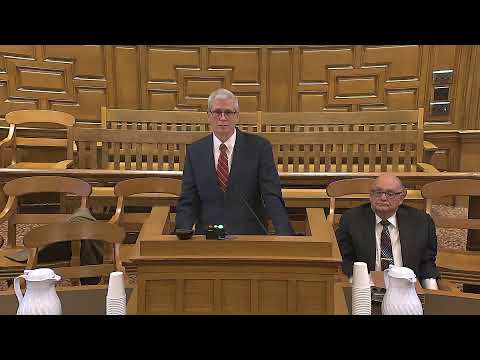
Defense counsel in Havville Stem LLC v. Jennings urged the Appeals Court to reverse a jury verdict and bar liability under the absolute litigation privilege, arguing the statements at issue were part of negotiations and prelitigation communications protected to ensure free advocacy. Counsel emphasized earlier appellate rulings and asked the court to apply the privilege broadly to parties and witnesses involved in settlement communications.
Plaintiffs’ counsel said the record shows a different pattern: repeated meetings, demands for payment, and on-scene statements that a jury could reasonably interpret as coercive or extortionate — including testimony that a demand was made for payment to avoid escalation. The trial judge limited certain hearsay (the judge gave curative instructions where triple hearsay was raised), but the jury nonetheless found defamation and conspiracy claims against the defendants and assessed damages. Panel questioning focused on what, if any, materially new trial evidence had arisen since the court’s earlier 23.0 ruling and whether instructions and preserved objections created reversible error.
Why it matters: The appeal tests the contours of the absolute litigation privilege, the line between protected advocacy and tortious coercion, and whether fee and damages awards should be reconsidered when jury instructions or preserved objections are disputed.
Next steps: The court took the case under advisement.