Get Full Government Meeting Transcripts, Videos, & Alerts Forever!
Get email alerts on the Firearm Possession topic
No spam. Unsubscribe anytime.
Driver challenges possession and 'loaded' findings; appeals court hears disputed video evidence
Summary
In Commonwealth v. Vasquez, defense counsel said bodycam video undercuts officer testimony and argued the evidence was insufficient to show the driver constructively possessed a firearm or that it was 'loaded'; prosecutors said officers’ observations, furtive movement, and other circumstantial factors permit a jury to infer dominion and intent.
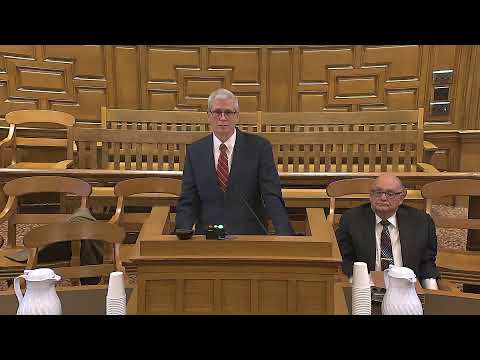
Charles McGinty, representing Kristen A. Vasquez, argued that the driver could not be convicted on constructive-possession and loaded-firearm counts because she did not have control over the firearm, the gun’s placement made it difficult to see, and the bodycam footage undermined the officers’ account. McGinty emphasized that the passenger — not the driver — made furtive movements and that a thorough search was required to locate the weapon.
Nelson Brett, assistant district attorney, said key scene statements — for example officers’ comments at discovery that the firearm “explains why your boy ran” and “it's on her side” — support a reasonable-inference analysis for the jury. The Commonwealth also emphasized the totality of factors: proximity to the gun, multiple phones, and the defendant’s conduct during the stop. The panel extensively debated whether the gun’s placement required a “thorough search” (the Snow line of cases) and whether visibility or handling created a factual foundation for a loaded-firearm instruction.
Why it matters: The appeal tests constructive-possession doctrine when a weapon is found near but not visibly handled by a defendant, and probes the proper role of bodycam footage in resolving credibility disputes.
Next steps: Oral argument concluded; the court took the matter under advisement.