Get Full Government Meeting Transcripts, Videos, & Alerts Forever!
Get email alerts on the Juvenile Plea Voluntariness topic
No spam. Unsubscribe anytime.
Juvenile’s appeal argues plea was not voluntary; court questions legal import of performance guidelines
Summary
In Commonwealth v. Juvenile, defense counsel urged the Appeals Court to order an evidentiary hearing, saying affidavits show trial counsel failed to follow contemporaneous performance standards and that the juvenile did not knowingly and voluntarily enter his plea; the panel pressed whether deviations from performance guidelines alone can render a plea involuntary.
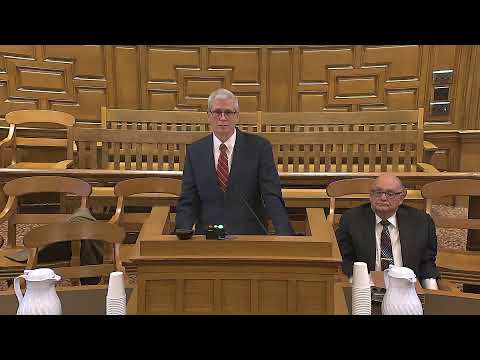
Chief Justice Amy Blake opened argument and told counsel the panel had read the briefs and would move quickly. Laura Chrismer, representing the juvenile, argued the trial court abused its discretion by denying an evidentiary hearing and that multiple affidavits — including from trial counsel and court staff familiar with 2011 performance standards — raised substantial issues about plea voluntariness. Chrismer said the defense used a public records request to show the juvenile had been told he would avoid a “YO” (youth offender) indictment and that that assurance proved inaccurate when he was later indicted, undermining the knowing and voluntary nature of the plea.
The panel probed the legal theory. Justice Sukyong Shin asked whether there is any precedent holding that failure to comply with nonbinding performance guidelines makes a plea unknowing or involuntary. Chrismer acknowledged there is no direct precedent on “performance standards” but said the standards provide important historical context for what a competent attorney would have done and that affidavits create a factual dispute warranting an evidentiary hearing.
Lindseay Con, arguing for the Commonwealth, said enhancements that depend on future criminal conduct are contingent as a matter of law and so there was no duty to warn; counsel also urged the court to credit the favorable sentencing and conclude no prejudice. Con emphasized the motion judge received documentary evidence and that, even accepting some procedural imperfections, the record did not establish the requisite prejudice to overturn the denial.
The panel repeatedly questioned the parties on prejudice and on whether the ameliorative Mattis line of juvenile-brain-development cases extends to plea voluntariness. At the end of argument the court took the matter under advisement.
Why it matters: The court is being asked to decide how far attorneys’ contemporaneous performance benchmarks bear on whether a juvenile’s plea was constitutionally voluntary. The outcome could affect post-conviction remedies where counsel’s conduct is shown only through documents or retrospective affidavit evidence.
Next steps: The panel reserved decision and will issue a written opinion after consideration of the briefing and argument.