Get Full Government Meeting Transcripts, Videos, & Alerts Forever!
Get email alerts on the Homelessness topic
No spam. Unsubscribe anytime.
Residents and service providers urge council to address shelter capacity, call for centralized resource center
Summary
Speakers at public comment urged the council to support a centralized resource center and more housing capacity; nonprofits said demand is high and beds fill within days, while volunteers and Salvation Army leaders were praised for local efforts.
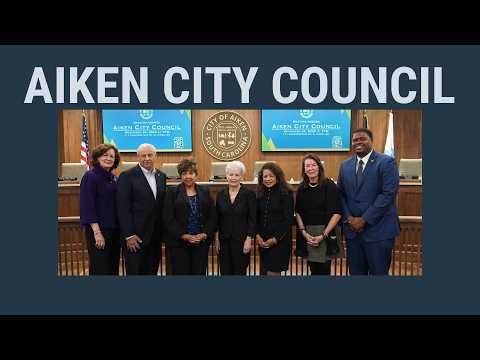
Public commenters at the March 23 Aiken City Council meeting urged city leaders to do more to expand shelter capacity and support a centralized resource center for people experiencing homelessness.
Mary Anton, chair of the Aiken County Homeless Coalition, told the council a recent survey — paid in part with city-planned plutonium-settlement funds — showed a pressing need for a centralized resource center to coordinate prevention, intake and services. "The centralized resource center will serve all those who need help and are willing to work towards sustainable living," Anton said, and she invited residents and civic groups to a coalition meeting this Friday to learn how to get involved.
Kurt Johnson and other nonprofit leaders praised recent Salvation Army efforts, describing intense demand and the difficulty of finding mental-health beds in the region. Johnson said local volunteers and churches have stepped up but added that some services remain costly and scarce. "We can teach them how to fish, but we still don't have the fishing poles or the string," he said, urging broader community support.
Lex Perry, pastor of C4 Impact, said providers consistently fill beds within 48 to 72 hours and framed the problem as one of capacity rather than lack of demand. "Demand is not an issue whatsoever," Perry said. He urged the council to pursue housing and supportive services that help clients reach financial stability.
Council members did not take formal action during the public-comment period but were repeatedly encouraged to collaborate with nonprofits and to track details of proposed projects. Anton and others asked the council and residents to monitor the coalition's planning process and to expect further requests for partnership and funding as specific project details are developed.
Next steps: speakers said community meetings and coordination among nonprofits, the Salvation Army and city staff will continue in the coming months; no formal council directive or vote on a centralized center was recorded at the meeting.