Get Full Government Meeting Transcripts, Videos, & Alerts Forever!
Get email alerts on the Public Participation topic
No spam. Unsubscribe anytime.
Residents urge later meeting times, praise local museum and raise homelessness and safety concerns
Summary
Public commenters asked the council to consider after-work meeting hours and two-way engagement, praised the Museum of Art and History as a vital local resource, and raised homelessness, preparedness and personal safety complaints; the council took comments but did not change meeting schedules at this session.
Several residents used the public‑comment period to press the council on meeting accessibility, to praise local cultural investments and to raise urgent personal safety and homelessness concerns.
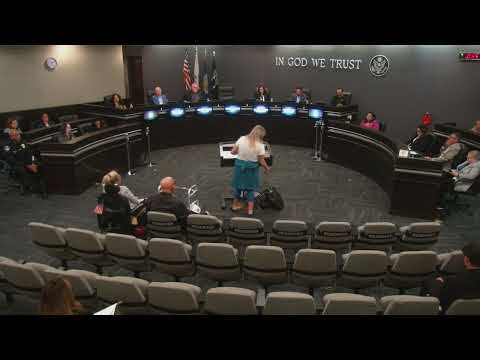
Elena Dixon asked whether regular council and board meetings could be moved to after‑work hours to allow more residents to attend and whether the city ever holds meetings designed for two‑way engagement. "What would it take for the council meetings and regular like city board meetings that are for the public to ever be moved until like after work hours so that more people could show up if they want to?" she asked. The council responded by explaining why many meetings are scheduled during daytime business hours and noted there are periodic evening presentations.
Caesar Vega, who identified himself as a Lancaster resident and a UCLA art historian, praised the Museum of Art and History and the city’s cultural investments, saying the museum has allowed residents to see major artworks locally and contributed to his recovery and community belonging: "I teared up a little bit" when he encountered museum holdings that otherwise would require travel.
Mark Brit shared a personal reflection on homelessness and the role of faith and community action in preparedness and recovery, saying, "What happens when a person loses housing and becomes homeless? Nothing. Nothing happens at all," and thanked faith partners for their volunteer efforts.
A public commenter, Anita, described serious personal safety concerns and alleged she had been attacked; she said the incident occurred on Jan. 2, 2025, that she has evidence she believes could lead to prosecutions, and that she has been unable to find help. Her account included assertions of organized‑crime involvement; no formal council action or investigation was recorded during the meeting.
Why it matters: The public‑comment period brought forward recurring themes—access to government meetings, the value of local cultural institutions, and ongoing homelessness and public‑safety concerns—that reflect community priorities even when no immediate council action follows.
Next steps: Council members took comments under consideration and noted they will "take it under consideration" regarding scheduling and engagement; no formal directive or vote on meeting times was recorded.