Get Full Government Meeting Transcripts, Videos, & Alerts Forever!
Get email alerts on the Edtech Policy topic
No spam. Unsubscribe anytime.
Board hears expert warnings on screens as district outlines Chromebook use, supply risks
Summary
A cognitive neuroscientist testified that large‑scale studies link heavy in‑school digital use to lower academic performance; district staff described measured Chromebook rollouts, monitoring, and supply‑chain shortages that may extend into 2026–2027, and board members debated policy vs. administration roles.
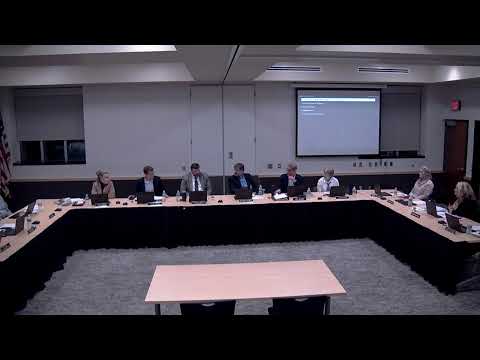
Southern York County School District heard a lengthy presentation and expert testimony on the learning impacts of educational technology, while district staff described both instructional uses for Chromebooks and near‑term device procurement risks.
Dr. Jared Kumi Horvath, a cognitive neuroscientist invited to speak, told the board that international and academic studies correlate widespread in‑school digital adoption with declines in measured cognitive outcomes. "When tech enters education, learning goes down," Horvath said, citing cross‑national patterns and decades of research he said show screens tend to promote shallower processing and skimming rather than deep comprehension.
District technology staff reviewed how Chromebooks are used across the district — Canvas at the high school, Google Classroom at middle school, and a suite of classroom and library tools — and summarized a multi‑layer review process for new edtech (teacher → principal → admin review committee → technology department). They also described a multi‑year procurement model that cycles devices with students over four years and explained an annual purchasing cadence focused on half of fourth grade, fifth grade and ninth grade.
"We were looking for something that was centralized with centralized management," a district technician said, describing Chromebook advantages for device management and testing. But staff warned of supply‑chain pressures. "Intel actually came out and said that they do not have any chips…all the way through 2026 and possibly into 2027," a technology staff member reported, and said some districts face quoted lead times of 16+ weeks and occasional cancelled orders.
The board also reviewed local performance data and district responses. Presenters pointed to a district effort to reduce screen time among youngest students (a 2:1 device model K–4), app‑level monitoring, and targeted professional development. District staff said about $2.5 million has been spent on device rollouts to date and emphasized that vendors offer professional development intended to complement existing reading programs.
Board members debated whether the board should set broad policy (for example, bell‑to‑bell phone rules or block scheduling) or leave instructional decisions to the administration and teachers. Several members urged a methodical approach: use teacher surveys, the comprehensive‑plan steering committee and multi‑year change management before making any rapid policy shifts.
No policy votes were taken. Administrators said they will continue working with teachers and the board as part of the comprehensive‑plan and budgeting processes and will return with more detailed proposals, procurement contingencies and recommended policies as needed.
(Reporting note: direct quotations in this article come from the meeting transcript of the Southern York County School District board meeting.)