Get Full Government Meeting Transcripts, Videos, & Alerts Forever!
Get email alerts on the Attendance topic
No spam. Unsubscribe anytime.
District reports modest gains in attendance after new outreach model; staff and trustees seek deeper subgroup data
Summary
Executive Director Jarrett Dly described a tiered, restorative attendance model and bilingual community-liaison work that produced modest districtwide improvements and a decline in chronic absenteeism for some subgroups; trustees requested further breakdowns and root-cause tracking.
The Sequoia Union High School District reported incremental improvements in student attendance Wednesday after expanding a tiered, restorative model that relies on bilingual community liaisons and targeted interventions.
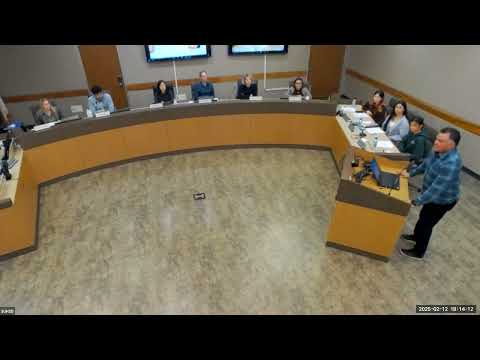
Executive Director Jarrett Dly said the district now uses a partner data system (School Status/Attend) to track active students more precisely and to drive interventions. "Attendance conferences have doubled in the past year," Jarrett Dly said, and the data presented showed a districtwide attendance rate up about 0.5 percentage points and chronic absenteeism down nearly 3% overall, with a 4% decline for English learners.
Dly outlined a three-tier system of supports: universal schoolwide strategies, early intervention through community liaisons and intensive mental-health and re-engagement supports. He said attendance conferences lead to measurable gains: "Students miss almost one less day a week on average after a conference is held," he told the board.
A parent who identified as Kit Waffle described years of difficulties getting appropriate accommodations for a child with disabilities and urged the board to consider structural changes to better serve students whose needs lead to chronic absence. The parent said some family-proposed solutions — shortened days, independent study or graduated returns — had been denied.
Trustees praised the bilingual liaison work but requested more granular data, including absence types, senior-level breakdowns and program impact on transfer students. The board asked staff to provide subgroup analyses (seniors, special education) and to consider a feasibility plan for tracking root causes tied to interventions.
District staff said they will expand reporting in future updates and continue refining the system as the district prepares for an expected influx of students requiring re-engagement supports in coming years.