Get Full Government Meeting Transcripts, Videos, & Alerts Forever!
Get email alerts on the Budget K12 topic
No spam. Unsubscribe anytime.
Board hears midyear LCAP update and state budget implications; district outlines TK classroom plan
Summary
District staff presented the LCAP midyear review and summarized the governor’s 2025–26 K–12 budget proposal, including the TK add-on and a possible discretionary block grant; staff said the district is planning TK classroom expansion and staffing for full implementation next year.
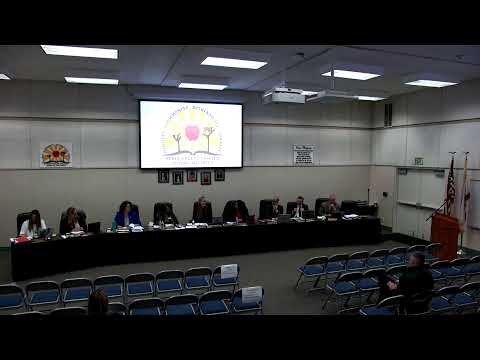
At a regularly scheduled meeting, Apple Valley Unified staff presented the Local Control Accountability Plan (LCAP) midyear review and a briefing on the governor’s proposed 2025–26 state budget, highlighting the implications for TK implementation, LCFF revenue assumptions and caution about one-time discretionary proposals.
District staff explained that the midyear LCAP report lists goal implementation status, progress notes and budgeted versus actual expenditures by action. Early-grade supports, mental-health staffing and extended-learning programs were reported as largely on track; some after-school and summer-program funds are typically expended later in the fiscal year.
In the state-budget briefing, staff summarized key elements of the governor’s proposal: a proposed one-time discretionary block grant (discretionary resources not final), a proposed TK add-on intended to support reduced TK student-to-staff ratios, and a 2.43% statutory Cost-Of-Living Adjustment recommendation for the 2025–26 fiscal year. Presenters warned trustees not to include discretionary or trailer-bill grant assumptions in local budget projections until the legislature finalizes the state budget.
On TK capacity, district staff said Apple Valley is currently operating 18 transitional-kindergarten classrooms and is building 12 additional classrooms to meet projected increases in attendance should the district see a larger TK cohort next year. Staff presented enrollment assumptions and a classroom-count plan for distributing TK seats across several campuses.
Why it matters: The state funding assumptions and TK add-on will affect district revenue projections and staffing decisions. Planning now for TK classrooms and staffing helps the district avoid last-minute facility or personnel gaps if participation rises.
What happened next: Trustees asked clarifying questions about LCFF expenditures, whether remaining funds would be adequate to cover planned field trips and programming, and whether the district would have enough rooms if TK attendance grows. Staff said further school-team reviews and community advisory meetings are scheduled ahead of the March and June LCAP hearings.
The district will bring updated LCAP materials and the finalized facilities master plan back to the board for approval later in the spring.