Get Full Government Meeting Transcripts, Videos, & Alerts Forever!
Get email alerts on the Humanitarian Needs topic
No spam. Unsubscribe anytime.
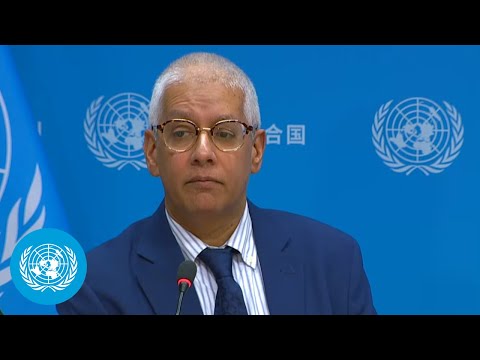
UN warns of worsening humanitarian needs in Lebanon and Gaza amid funding shortfall
Summary
The UN warned that less than one‑third of the $308 million Lebanon Flash Appeal is funded, displacement and overcrowded shelters have caused outbreaks and health risks, and a vaccination campaign is underway in the occupied Palestinian territory supported by WHO, UNICEF and UNRWA.
The United Nations warned that humanitarian needs in Lebanon and the occupied Palestinian territory are acute and that life‑saving aid is at risk because of funding shortfalls and constrained access.
The spokesperson said that displacement orders have been issued for areas south of the Zahrani River and in southern Beirut suburbs, and that crowded collective shelters with limited sanitation have resulted in confirmed cases of scabies and lice, posing health and safety risks for children and the elderly. He said medical teams, humanitarian partners and the government are providing medical and shelter supplies and clean water.
The briefing noted that less than one‑third of the Lebanon Flash Appeal — which requests $308 million — has been funded, putting life‑saving aid at risk. The spokesperson urged support to restore basic services, protect vulnerable groups, rehabilitate shelters and schools, and provide critical supplies.
On the occupied Palestinian territory, the UN reported a five‑day vaccination campaign for children under age 3 who missed routine vaccines in the past 30 months, led by the Ministry of Health and supported by WHO, UNICEF, UNRWA, donors and partners; nearly 150 teams are delivering vaccines, including in hard‑to‑reach areas.
At the Security Council briefing, Emergency Relief Coordinator Tom Fletcher said at least 326 humanitarians were recorded killed last year, bringing three‑year totals above 1,010, and warned that humanitarians face restricted access, penalization and delegitimization — a trend he called "the collapse of protection." The UN urged states and parties to uphold protection, integrity and accountability under Resolution 2730.
Why it matters: funding shortfalls and constrained access could curtail vaccination campaigns and emergency response at a time when displacement, shelter overcrowding and disease outbreaks increase risks for vulnerable populations. The UN called for urgent support to scale up health, water, sanitation, shelter and protection interventions.
The briefing did not announce a new donor pledge; UN offices said reporting and appeals will continue as needs are assessed and funding is sought.