Get Full Government Meeting Transcripts, Videos, & Alerts Forever!
Get email alerts on the Governance topic
No spam. Unsubscribe anytime.
City attorney urges council to use points of order, avoid substantive responses during public comment
Summary
The city attorney reviewed council rules of procedure, emphasizing the mayors role as presiding officer, the attorney as parliamentarian, the availability of points of order, restrictions on council responses during public comment under open-meeting law, and the duty to vote; the session was a non-decisional refresher.
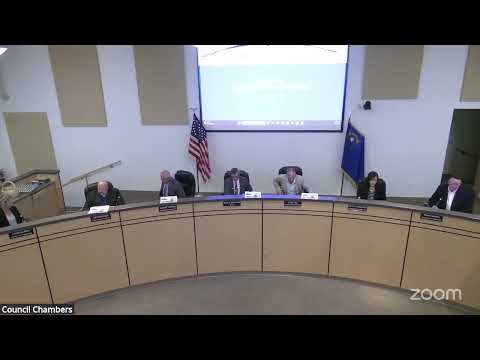
The city attorney gave Fernley councilmembers a refresher on rules of procedure and underused tools designed to keep meetings orderly and legally compliant.
Aaron Morson (city attorney) told the council the presiding officer (the mayor) enforces decorum, the city attorney serves as parliamentarian, and any council member may call a "point of order" to ask the attorney for an interpretation during a meeting. He encouraged the council to use points of order more frequently to stop or clarify discussions.
The nut graf: Morson stressed that council responses to public comment are legally risky because open-meeting law limits discussion of non-agendized matters; his practical guidance was that council may acknowledge a speaker and invite follow-up after the meeting rather than debate an issue on the spot.
Other guidance included: the mayor should alternate between opposing viewpoints when recognizing speakers, members should avoid private substantive communications (including texting each other about an item), the original mover should restate their motion before a vote to avoid confusion, and there is a general duty to vote unless ethically conflicted.
Council members asked clarifying questions about appeal processes for expulsions, how to manage pressing questions of staff during presentations, and whether asking routine clarifying questions of a speaker violates open-meeting constraints. The attorneys answers were procedural and advisory; there were no motions or votes tied to the presentation.
What happens next: The presentation was informational and produced no immediate council action; multiple members said they would make more use of points of order and procedural tools going forward.