Get Full Government Meeting Transcripts, Videos, & Alerts Forever!
Get email alerts on the School Budget Personnel topic
No spam. Unsubscribe anytime.
Greenwich BOE says salary step‑ups and restored staffing drive $3.66M increase in proposed school budget
Summary
BOE leaders told the BET that the 2026–27 school operating budget is driven mainly by personnel costs — roughly a $3.66 million year‑to‑year increase in the 100 (salary) object — reflecting step increases, filled senior vacancies and an 11.5 FTE net shift tied to programmatic changes.
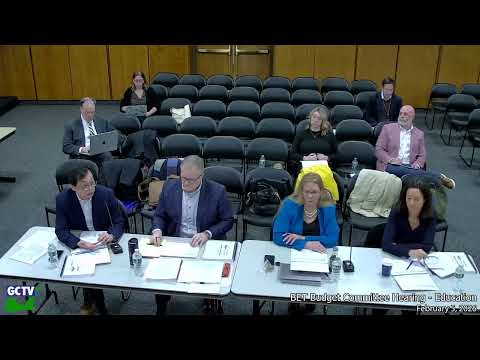
The Board of Education presented the second day of the BET's budget review with an emphasis on staffing and salary costs as the main driver of the proposed 2026–27 operating budget.
Dr. Tony Jones opened the BOE's packet review and invited finance staff to summarize the line‑by‑line changes. Patrick Lie and Ben Brandon told the BET the biggest single factor at the '100' major object — the personnel and salary account — is a roughly $3.66 million year‑to‑year increase, driven primarily by regular and certified salary lines and the district's negotiated salary schedules. The BOE also included the planned reduction of about 11.5 certified FTE from prior efficiency work alongside small FTE additions (including roughly three pre‑K positions), which together shape the net personnel change.
Administration attributed last year’s unspent salary dollars to vacancies in several higher‑paid positions — including a deputy superintendent and the director of human resources — that were only partially filled during the 2024–25 year. This year, with many of those roles filled, the district expects fewer vacancy‑based savings. Officials also flagged a pattern of midyear departures among paraprofessionals: staff counted 15 paraprofessional openings at the time of the hearing and described a highly fluid hiring environment.
Dr. Jonathan Bud said the district negotiated contract elements to address turnover, including condensed salary steps and increased stipends for specialized positions; he noted that about 30 professional assistant roles receive stipends over $5,000 for duties tied to specialized student needs.
Board members probed substitute coverage, asking whether substitute budgets and recruitment practices are keeping pace with demand. BOE staff described three substitute categories — long‑term (state‑paid on teacher salary grids), building subs (higher daily rates, integrated into school life) and daily subs — and said state leave changes effective Oct. 1 widened eligibility for paid leave and Connecticut wage replacement, which could further affect substitute availability and cost.
Where it mattered: the BOE told the BET that the net budget increase is concentrated in salary lines; non‑personnel categories outside of targeted capital and transportation pressures show smaller year‑to‑year changes. The administration said it will continue to monitor hiring, vacancies and contract provisions through the spring budget process and adjust implementation plans accordingly.
The board and BET agreed to return to several personnel line items for follow‑up detail but emphasized that the most significant near‑term drivers are salary step movement, restored headcount in previously vacant senior posts and the continuing challenge of recruiting and retaining paraprofessionals.