Get Full Government Meeting Transcripts, Videos, & Alerts Forever!
Get email alerts on the Education Equity topic
No spam. Unsubscribe anytime.
San Bernardino City Unified says targeted equity programs are narrowing achievement gaps for Black students
Summary
District presenters told the school board that preliminary, embargoed results show gains for African‑American students in reading, math, A‑G completion and dual enrollment after expanding 'equity guest teacher' supports, specialty counselors and culturally responsive magnet programming.
San Bernardino City Unified School District officials told the board that new, equity‑focused interventions are producing preliminary gains for African‑American students and that the district plans to scale supports that target reading, math and postsecondary access.
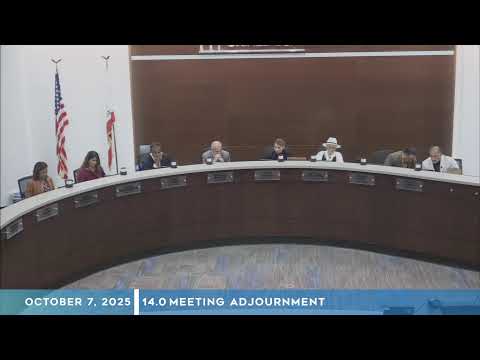
At a presentation to the school board, Assistant Superintendent Anna Applegate and Dr. Greer, director of the department of Equity and Targeted Student Achievement (ETSA), described the district’s TIP policy work and said preliminary, embargoed data point to improvements in English language arts, math, A‑G completion and graduation rates for African‑American students. Dr. Greer said district leaders will release official state‑verified data in November but that internal assessments already show upward trends.
The presentation outlined several program elements the department has expanded: 32 Equity Guest Teachers (EGTs) who deliver daily small‑group reading support at 30 elementary schools; 24 focus teachers who coach classrooms with high concentrations of African‑American students; math EGTs and daily high‑school math tutors; equity counselors and push‑in tutoring at high schools; family‑engagement councils (DAC/APAC); and the Sanc Kofa culturally responsive magnet (enrollment expanded, K–4 in first years). Dr. Greer called the work “courageous leadership” and credited coordinated staffing, professional development and community partnerships.
“We have preliminary data showing improvements in several key TIP areas, including ELA and math, A‑G completion and dual enrollment,” Dr. Greer said. He added the district serves roughly 3,600 African‑American students and that an appreciable share of them now take honors/AP courses and dual‑enrollment classes.
Veronica Zuniga, an equity guest teacher at Bono Elementary, described her daily work with small groups to build decoding, fluency and comprehension. “Being an EGT has deeply inspired me and has made me hopeful about our youth,” she said. Fifth‑grade student Ronnie Werta credited long‑term small‑group support with a large jump on district internal assessments: “It made me more successful to having Miss Zuniga,” he said.
District presenters gave specific program counts: about 32 EGTs at 30 elementary sites serving roughly 1,000 students daily in targeted reading interventions; roughly 11 math EGTs at eight middle schools and 17 focus teachers serving middle‑school math; and roughly 11 high‑school math tutors pushing into classes daily to reduce D/F rates. The presentation also said 31% of African‑American high‑school students were enrolled in an honors or AP course and that about 18% of African‑American high‑school students took a dual‑enrollment class.
Board members and the public praised the work and asked for more disaggregated data and timeline specifics. Trustees asked ETSA to return with verified metrics and implementation plans in the board’s November reporting cycle. Dr. Greer said the department will publish the un‑embargoed state data and provide an update on the impact of interventions.
What’s next: ETSA will present verified state data and a progress report in November, including school‑level outcomes, and the district plans to continue recruiting EGTs, expand Sanc Kofa enrollment, and deepen college partnerships for dual enrollment and HBCU pathways.