Get Full Government Meeting Transcripts, Videos, & Alerts Forever!
Get email alerts on the Fire Department Operating Budget topic
No spam. Unsubscribe anytime.
Greenwich fire chief cites 5–10% rise in calls, seeks funding for plan review, injury prevention and hydrant repairs
Summary
Town of Greenwich fire leadership told a municipal committee that call volume has climbed about 5–10% across response types, with roughly 166 additional auto‑crash responses, and requested operating funds for a plan-review position, a $25,000 injury‑prevention contract and seed money to repair dry hydrants.
The Town of Greenwich Fire Department told the committee its operational workload and costs are rising and asked for targeted operating funds to keep pace.
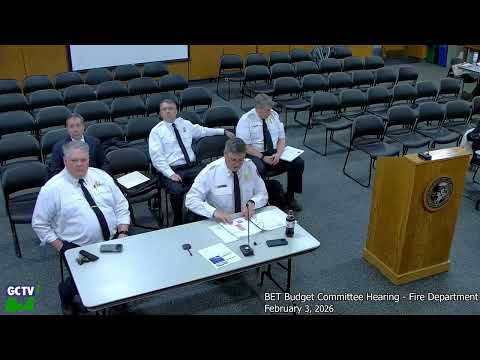
Chief McHugh opened the department’s budget presentation by saying call volume has risen “about 5–10%” across categories and that motor‑vehicle accidents are a meaningful part of the increase: “166 more car accident responses,” he said. The department described its FY operating request (materials cite 3.38) and said it has taken on more permit and plan‑review duties—now including temporary propane permits and more blasting permits—which has increased administrative workload.
Why it matters: staff said the added permit workload and unpredictable construction schedules make plan‑review revenue hard to forecast. Committee members noted plan‑review revenue already sits roughly $200,000 above last year’s budget but stressed it’s volume driven and timing‑sensitive.
The department asked for a $25,000 operating line to contract with a firm that provides ergonomics and injury‑prevention services. Chief McHugh referenced the company’s leader by name and experience: “Sarah Becker runs that company” and the contract model has been used in neighboring departments. Officials said the town’s injury metrics point to a need for prevention: FY24 showed more injuries but fewer lost hours (~6,000 hours lost), while the next year had fewer incidents but much larger injuries (more than 8,200 lost hours); FY26 year‑to‑date lost hours were about 1,100.
The presenters also asked for a small capital seed for dry‑hydrant repairs to maintain rural water sources. They said the town tests roughly two‑thirds of its hydrants annually (about 50 per year from an estimated 75 total) and currently fewer than five town‑owned dry hydrants need work; a state program can reimburse up to $1,500 per repaired rural dry hydrant.
Committee members pressed staff on revenue assumptions and the recent mid‑year reorganization that added a 1.0 FTE plan reviewer. Staff said the position was added in an interim reorg and that plan‑review fees are inherently lumpy because they follow project schedules. Members asked for follow‑up materials (updated CIP/revenue worksheets) and staff agreed to provide them through the committee clerk.
The committee did not take formal votes during the presentation; members requested updated budget and CIP sheets for follow‑up review.