Get Full Government Meeting Transcripts, Videos, & Alerts Forever!
Get email alerts on the Public Safety topic
No spam. Unsubscribe anytime.
Correctional officers describe staffing emergency and on‑the‑job violence, urge urgent budget fixes
Summary
Correctional staff and family advocates told the Appropriations Committee of a staffing crisis at state prisons—vacancy rates above 35–40%, officers mandated to work weeks without days off, multiple recent stabbings—and urged the legislature to fund hiring, retention incentives and pin increases.
Several correctional officers, union leaders and family members told the Appropriations Committee the state’s correctional system is in crisis and urged immediate budget action to address vacancies, overtime and safety.
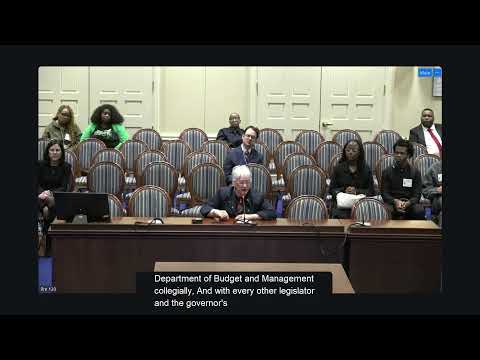
Tony Signs, president of Ask Me Local 898, said some supermax facilities have vacancy rates above 35% and personnel are being mandated “seven or eight weeks straight without a day off,” with officers regularly forced into multiple double shifts. He described multiple recent assaults on staff: “two officers in my local were stabbed in the throat and neck area … another officer was stabbed in the face multiple times … another officer was stabbed multiple times in the back and chest area,” and said staffing levels are not safe.
Family members also testified. Michelle Kennedy Quadio said her son has been incarcerated for many years and described extreme conditions such as prolonged heat exposure; she proposed increasing correctional officer pins from 500 to 700 and reallocating administrative pins until staffing reaches safe levels.
Unions linked the staffing crisis to pay and retention. Witnesses and union representatives argued that uncompetitive wages, prolonged mandates, and years without consistent step increases drive workers away and increase reliance on costly overtime and agency staffing. Witnesses noted overtime and total costs—union testimony pointed to roughly $225–350 million in overtime spending in recent years—as evidence that investing in staff could be fiscally prudent.
Legislators asked for detail on vacancy drivers and what targeted incentives or short‑term hiring measures might stabilize staffing. No formal action was taken at the hearing; witnesses urged the committee to consider supplemental funding, retention incentives and steps to make correctional careers sustainable.