Get Full Government Meeting Transcripts, Videos, & Alerts Forever!
Get email alerts on the Budget topic
No spam. Unsubscribe anytime.
Dover Area SD faces projected $4.9 million deficit; trustees weigh modest tax hikes and fund-balance use
Summary
Dover Area School District officials said the preliminary 2026–27 budget shows about a $4.9 million shortfall. The board debated options including using fund balance, modest tax increases (0%, 2%, 3%, 3.5% were proposed for presentation) and targeted program adjustments ahead of a May preliminary budget vote.
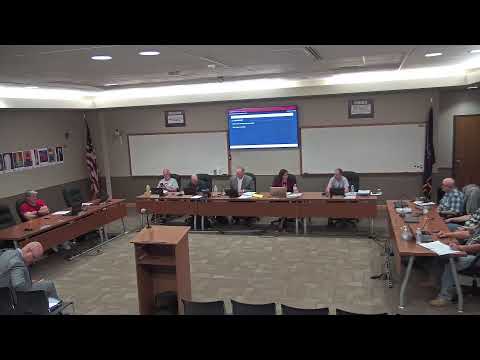
The Dover Area School District on Tuesday heard a detailed preliminary budget presentation that showed an anticipated $4.9 million deficit for fiscal 2026–27 and launched an extended board debate over whether to use reserve funds or seek a modest tax increase.
CFO Mrs. Weaver told the board the business office secured a supplemental grant that reduced planned equipment spending by $26,000 but that the district still faces “an anticipated deficit about about 4.9” million dollars. Board members pressed administration for options to close the gap and asked staff to prepare budget packages with several tax-rate alternatives.
“I'm looking at this budget to me, we're on a collision course where even if we raise taxes to the maximum we're going to eventually run out of money,” Director Kindig said during the discussion, arguing the board must plan for multi‑year impacts. Several trustees urged a pragmatic approach that balanced avoiding painful program cuts with preserving a safe fund balance.
Administrators and trustees outlined three packages to be presented at the next meeting for a straw poll and vote: no tax increase, a 2% option and a 3.5% option (board members also discussed 1.5% and 3% as possible alternatives). Mrs. Weaver said a maximum allowable tax increase under state rules would bring in about $1.47 million and that a 3.5% increase would generate roughly $1 million and help preserve fund balance carrying forward.
Trustees repeatedly flagged uncontrollable cost drivers: cyber-charter tuition, special-education placements and rising utility and insurance costs. Several directors cited cyber-charter tuition as a major ongoing pressure; board members said the district currently projects roughly $3.8 million in cyber-charter tuition costs next year. The superintendent and CFO noted those are formula-driven obligations the district must pay when students enroll.
Discussion also covered potential revenue from planned development and a warehouse project, which administrators estimated could produce future tax revenue but are not yet guaranteed. Mrs. Weaver said projected new development revenue was built into long-range forecasts but that timing is uncertain.
The board asked administration to return with three budget scenarios (zero increase, 2% and 3.5%) for the preliminary budget vote scheduled in May and requested additional detail on the likely program and staffing tradeoffs tied to each option. Trustees also debated whether routine monthly budget reports should be relabeled or accompanied by a separate formal request when administration anticipates exceeding line-item appropriations.
What’s next: The board will consider a preliminary budget and a short list of tax-increase options at its May meeting. The administration will provide the requested packet showing the fiscal effect of no increase and the alternative rates under consideration.