Get Full Government Meeting Transcripts, Videos, & Alerts Forever!
Get email alerts on the State Employee Health Plan topic
No spam. Unsubscribe anytime.
State employee health plan faces steep pharmacy-driven cost pressure; GLP‑1 drugs a top driver
Summary
The state employee health plan covers about 207,000 members and faces a projected 19-20% premium increase driven largely by GLP-1 medications and specialty drugs; officials presented plan-design options (pharmacy deductible, biosimilar use, BMI eligibility changes) and negotiations with manufacturers.
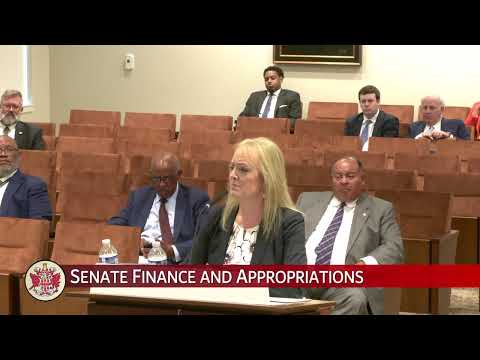
Miss Lawson presented the Senate committee with a detailed update on the Commonwealth's state employee health plan, reporting sharp increases in pharmacy spending that threaten plan sustainability if not addressed.
"Pharmacy is our primary cost driver," Lawson said, identifying GLP-1 medications for weight loss and diabetes as a major component. She reported that GLP-1 spend rose from about $30 million to more than $200 million over four years and that specialty drugs account for roughly half of pharmacy costs while covering about 2% of membership.
Why it matters: The fund covers roughly 207,000 members (active employees, pre-65 retirees and dependents). Absent changes, consultant projections show a roughly 19—20% premium increase would be needed to cover claims; the administration's introduced budget assumed a 13% increase and proposed modest plan changes. Officials presented conservative plan-design recommendations that combine a pharmacy deductible, targeted changes to GLP-1 eligibility (raising BMI thresholds), and use of biosimilars; they also discussed efforts to negotiate lower prices with manufacturers.
Key details - Membership and coverage: ~207,000 members including active employees, retirees and dependents; three of five plans are self-insured with COVA Care (Anthem) the largest plan. - Pharmacy costs: GLP-1 use for weight loss and diabetes grew from ~$30M to over $200M in four years; top single prescription costs cited include Wegovy (~$1,300 per script to the plan) and other specialty drugs costing thousands per script. - Potential plan responses: Proposed options include a pharmacy deductible (a one-time per plan-year deductible on tier 2-4 drugs), incentives for biosimilar use, raising the BMI eligibility threshold for GLP-1 coverage (e.g., from BMI 27/30 to 35), and vendor/manufacturer negotiations. Lawson noted some legal constraints, including state code language that limits certain out-of-pocket maximum changes without action from the Appropriations Act.
Responses and follow-up: Senators asked whether other states' approaches (prescription drug affordability boards) have been considered and whether GLP-1s will yield long-term health-care savings; Lawson said longer-term savings are plausible but not yet quantified and that the plan's PBM and carriers can be asked to provide data. She also confirmed a consultant contract to recover mispayments is set to expire this year.
Next steps: The administration said it will continue vendor negotiations, consider plan-design changes that minimize employee disruption, and seek one-time funding to replenish the health insurance fund to maintain sufficient reserves.