Get Full Government Meeting Transcripts, Videos, & Alerts Forever!
Get email alerts on the HR1 topic
No spam. Unsubscribe anytime.
Officials warn HR1 will create major administrative strain; Virginia could lose coverage for tens to hundreds of thousands
Summary
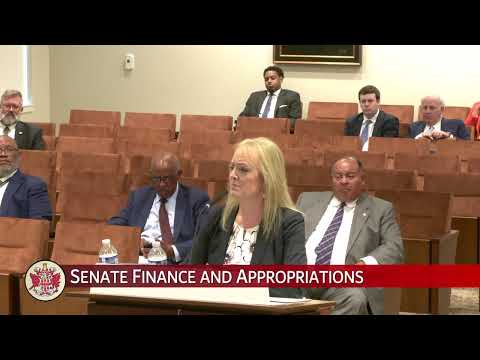
Secretary Marvin Figueroa told the Senate committee that federal HR1 changes will reduce federal support, increase state administrative duties, and could result in 100,000–300,000 Virginians losing Medicaid coverage; he said the state is behind in readiness and has requested an external evaluator.
Secretary Marvin Figueroa, Virginia's secretary of Health and Human Resources, told a Senate committee that federal legislation dubbed "HR1" will impose substantial fiscal and operational burdens on the Commonwealth and could leave many residents without coverage if implementation is not executed carefully.
"This federal legislation will present the Commonwealth with significant operational and fiscal challenges," Figueroa said, summarizing review findings that implementation requires new administrative capacity, system changes and that multiple major provisions come into effect in rapid succession. He cited internal estimates that between 100,000 and 300,000 Virginians could lose Medicaid coverage, about 550,000 Virginians could be affected by other changes, and that 14,500 SNAP recipients would newly be subject to work requirements.
Why it matters: Figueroa said the law reduces federal support while raising state administrative responsibilities (more frequent redeterminations, new verification and work-tracking systems for SNAP), meaning Virginia must invest in systems, staffing and communication to avoid large coverage losses or financial penalties for program error rates.
Key details - Scale of impact: The readiness assessment suggests 100,000—200,000 potential Medicaid coverage losses and major administrative costs; estimates of state fiscal exposure range into the billions for the first implementation year. - Operational gaps: Figueroa reported several readiness areas initially in "red" (not ready) and that the administration has moved portions into "orange" by creating weekly cross-agency governance, workgroups on employment supports and a procurement for a work-documentation system. He said enrollment communication and monitoring dashboards remain under development. - SNAP concerns: The secretary noted a shrinking federal share of SNAP administrative costs beginning in 2027 and financial penalties for states with payment error rates above 6%, stressing the need to lower error rates from current higher levels.
Responses and follow-up: Senators asked about SNAP error rates, alternatives for populations that become ineligible (noncitizen eligibility changes), and how the state will partner with community providers and FQHCs to help people who lose coverage. Figueroa said outreach, better verification processes, and stronger local partnerships are priorities but acknowledged the scale of risk and persistent resource constraints.
Next steps: The administration said it is pursuing operational fixes, technology procurement, and cross-agency governance and will continue working with the General Assembly on mitigation and funding. No legislative decision or vote was taken at the hearing.