Get Full Government Meeting Transcripts, Videos, & Alerts Forever!
Get email alerts on the Municipal Budget topic
No spam. Unsubscribe anytime.
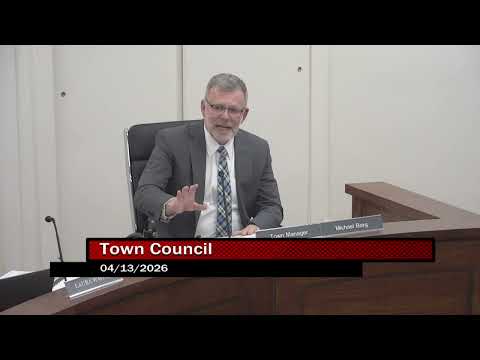
Presenter outlines about $121 million FY27 budget; levy rise driven by high-school debt exclusion
Summary
A presenter said the town's proposed FY27 budget runs about $121 million and would raise the tax levy by $6.8 million (9.2%), largely because $70 million borrowed for a new high school generates a $4.1 million debt exclusion; the plan also flags a growing health-insurance deficit and emergency-management accreditation efforts.
The presenter said the town's proposed fiscal 2027 budget runs about $121 million and would increase the total tax levy by roughly $6.8 million, or 9.2 percent, from the prior year.
"You're going to look at a budget this year that runs about $121 million," the presenter said, adding that roughly $800,000 in new growth and 5.2 percent in local receipts are supporting the proposal.
Why it matters: much of the levy increase reflects borrowing for a new high school. The presenter said the town has already borrowed $70 million for the project, which is expected to begin construction in June and to produce new tax-bill charges beginning in January. "Our the debt exclusion accounts for $4.1 million of that $6.8," the presenter said, arguing that if the debt exclusion were removed the levy increase would be closer to 3.6 percent.
The presenter cautioned that the $121 million figure is the working FY27 number and noted several pressures that could affect the town's finances. "We do have a structural deficit in the health insurance line. Right now, we're tracking around $1.7 million. We're forecasting that to land around $2 million by the end of the year," the presenter said.
Local revenue patterns and cost drivers were described as mixed. The presenter said housing largely produced the year's new growth, reporting an average single-family sale price of $626,633, about $70,000 higher than the previous year, while commercial and industrial development remain limited. He also cited market volatility — including oil-price swings that increase fuel costs for snow plowing and tariff impacts that affect capital purchases — as a continuing budget risk.
The presenter outlined department-level changes: the schools budget is the largest single expense and was described as up about $2 million from the prior year, crossing-guard funding was increased by about $5,000, and transportation costs rose 7.7 percent because of contractual obligations. "We're able to support those two items and the school's budget at 4 percent," the presenter said, noting ongoing discussions with the superintendent about a small additional amount (around $30,000) for schools.
On disaster preparedness, the presenter recommended pursuing Emergency Management Accreditation Program (EMAP) accreditation as a means to strengthen local capacity, and he urged local planning in case federal support is less reliable after major events. "I just don't know in the future FEMA organization if they're going to be as responsive as they were in the past," he said.
Fiscal strategy: the presenter said the town's reserves are strong and described the credit rating as "double A positive," adding that officials plan to rely on free cash and the capital-stabilization account to limit new borrowing and borrowing costs.
Public safety funding: the presenter said officials are seeking funds to ensure firefighters have required gear and that the budget as presented "allows us to execute" planned services in the coming year.
Next steps: the presenter framed the FY27 budget as the working figure for discussion and said the timing of the high-school ground-breaking and tax impacts will push the debt-exclusion portion into upcoming tax bills; no formal vote or motion was recorded in the transcript.