Get Full Government Meeting Transcripts, Videos, & Alerts Forever!
Get email alerts on the Library Programs topic
No spam. Unsubscribe anytime.
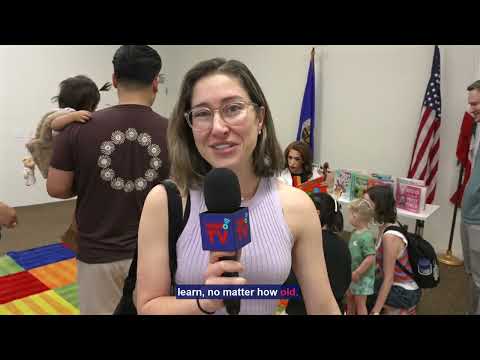
Second-grade teacher says drag queen storytime fosters empathy and self‑expression
Summary
A second-grade teacher and parent praised a library’s drag queen storytime, saying performers such as "Queen Angelina" use storytelling, music and interactive props to foster empathy, normalize diverse identities, and engage young children; the remarks were delivered as public comment and no formal action is recorded in the transcript.
A second-grade teacher who described herself as a parent and member of a "rainbow family" told a library audience that drag queen storytime can help children learn empathy and feel free to express themselves.
"As a second grade teacher, I understand very deeply how children have different ways of learning, different ways of experiencing the world, different sensory capacities," the teacher said. She praised performers such as "Queen Angelina," noting the combination of storytelling, costume and live violin as ways the program connects with children.
The teacher said she began attending the library events with her infant and was struck by how the performances offered concrete engagement tools for young children. "We have scarves that we use so the kids can dance. We have bubbles. We have all sorts of little touch points that the kids can use to feel engaged with the material," she said.
She also tied the program’s value to representation. "I'm queer. I'm part of the rainbow family. I'm a person of color, an immigrant, and I'm Mexican," she said, then added that seeing diverse presenters helps children "see a little bit of themselves in me and feel free to express the way they want to express."
The remarks focused on early‑childhood learning techniques and the speaker’s view that exposure to a range of people and artistic styles can normalize difference and promote social connection. The transcript does not record any formal response or policy action by the hosting body; the comments appear as part of a public comment or community testimony period.
The speaker repeatedly emphasized training for performers to ensure content and engagement are age‑appropriate, and she described specific, tactile elements used to hold attention during storytime. The transcript gives no further details about program guidelines, library policy, or follow‑up steps.
The record indicates community support from at least one educator and parent, but the transcript does not include counterstatements, votes, or any formal decision tied to the remarks.