Get Full Government Meeting Transcripts, Videos, & Alerts Forever!
Get email alerts on the Student Homelessness topic
No spam. Unsubscribe anytime.
School staff urges community support for students experiencing homelessness
Summary
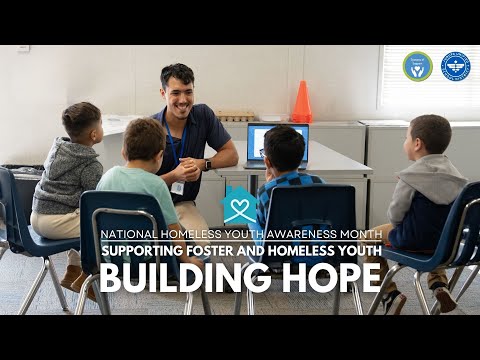
A staff member asked residents to support students served by the McKinney-Vento program for National Homelessness Awareness Month, describing weekly peer support, school-site liaisons, supply distribution and ways community members can help.
A staff member at the Office of Educational Equity urged community support for students served by the McKinney-Vento program during National Homeless Awareness Month, describing weekly peer services, school-site liaisons and opportunities for residents to help.
The speaker said the district recognizes National Homeless Awareness Month and explicitly included students who run away. “It’s so important that we recognize… National Homeless Awareness Month,” the staff member said, noting outreach that targets students experiencing housing instability.
The staff member described core supports: “Our McKinney-Vento students have access to a peer specialist weekly,” and the program covers students “from kinder to 12th grade.” The speaker added that each school has a site liaison to coordinate services and local support.
On family outreach, the staff member said they call parents to determine McKinney-Vento eligibility and offer available resources. When supplies are available at the office, staff assemble and drop off supply bags at school sites; when items are not on hand, the speaker said they contact the P.I.C.O. office for assistance.
The staff member described brief check-ins with McKinney-Vento and foster students—about 20 to 25 minutes—focused on connection and wellbeing. “We’re just trying to check in with them, making sure they’re feeling supported,” the speaker said, adding that activities are tailored to student interests (for example, bringing Legos or coloring pages).
The speaker listed concrete services students receive through school: access to school meals, transportation plans, hygiene kits, and clothing and shoes, along with counseling or behavioral therapy. The staff member invited community participation—examples given were providing free haircuts or donating items to assemble hygiene kits—and directed residents to contact the Office of Educational Equity or their child’s site liaison to offer help.
The remarks closed with an appeal for empathy: “We don’t always know what’s going on in a student’s life… So just having a little bit more empathy towards them can always help,” the staff member said, concluding, “We see you. We hear you. We’re here for you.” No formal motions or votes were recorded.