Get Full Government Meeting Transcripts, Videos, & Alerts Forever!
Get email alerts on the Police Policy topic
No spam. Unsubscribe anytime.
Police commission adopts state-language for pursuit and firearms policies; license-plate-reader policy tabled
Summary
The Town of Dukan Police Commission agreed to incorporate state-model language into its pursuit and firearms general orders to meet statutory standards and improve training guidance; the commission postponed action on a license-plate-reader policy while the state legislature reviews that issue.
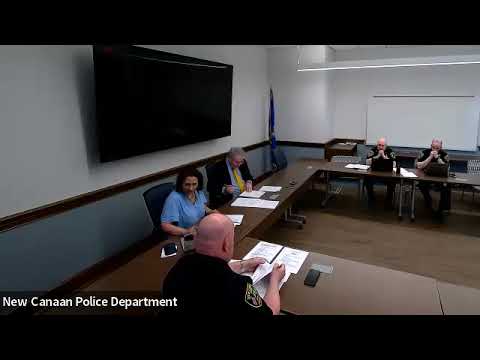
The Town of Dukan Police Commission voted April 15 to adopt language from the state model policy into its general orders governing vehicle pursuits and firearms to ensure compliance with state standards.
Captain Panda, who led the staff presentation, said the state model supplies required definitions and minimum standards that the department must incorporate. "What you see there came from the state…they're saying to all of us, hey, these are the changes we're making," Captain Panda said. He told the commission that much of the update is definitional language and minimum standard text the department must include.
The commission discussed practical implications for training. Captain Panda noted departments statewide are still finding locations for hands-on pursuit training: "There's no location. They used to do it at an abandoned airport, but it's no longer feasible," he said, adding that simulators and behind-the-wheel training options are being evaluated.
Commission members agreed to approve the incorporation of the state-model language into the department's general orders and asked staff to present a marked copy formatting the changes for final approval at the next meeting.
The commission separately decided to table its policy on license-plate readers because the state legislature is currently reviewing related statutes. Commissioners said they did not want to enact a local policy that might conflict with imminent state legislation.
The action is procedural: the commission approved adopting the state-supplied text into its general orders and will return a marked, formatted draft for formal incorporation and final sign-off at a later meeting.